Do you have a comprehensive bug-out plan for you and your family? During a major emergency or catastrophe, staying at home isn’t always an option. You should be prepared to leave at any moment in case of a natural disaster, such as a hurricane.
Many people think bug-out bags are all you need, but there are actually many other aspects to consider when planning to bug out if you want to avoid danger. Having a bug-out bag is important, but you should also have knowledge and multiple backup plans in the event of an emergency. This includes information such as what roads to take, how to survive without electricity for long periods of time, and more. You can’t use a bug-out bag if you have all of the supplies but none of the know-how.

The Value of Books and Guides in Your Bug-Out Bags

It’s easy to forget important information in a dangerous or otherwise stressful survival situation. A knowledge of edible plants, shelters, and what animals to avoid is essential if you end up in the wilderness.
Survival guides, especially those specific to your region, are incredibly useful items to keep in a bug-out bag. When you forget or are unclear about something, they can provide reliable information.
You can easily get hurt if you don’t know what you’re doing, especially if you eat something poisonous or touch something that stings. Such an accident could be fatal if there is no hospital nearby in an emergency. For that reason, it is helpful to have a few guides for identifying plants and animals, as well as a few on bushcraft or other similar skills. These provide instructions on how to build shelters and traps for catching animals.
When you have these types of reference materials at your disposal, you will be able to respond more effectively to an emergency. You won’t likely have access to the Internet to look these things up, so you will need printed information. Many companies provide laminated pamphlets that provide information about local wildlife and plants. This prevents water damage and keeps them light and portable.
But don’t just put these guides in your bag and forget about them. Study them and use them regularly. The stress of dealing with a survival situation may lead you to forget important steps if you don’t practice things like building fires and shelters or identifying plants regularly.
Laminated Road Maps Are Critical
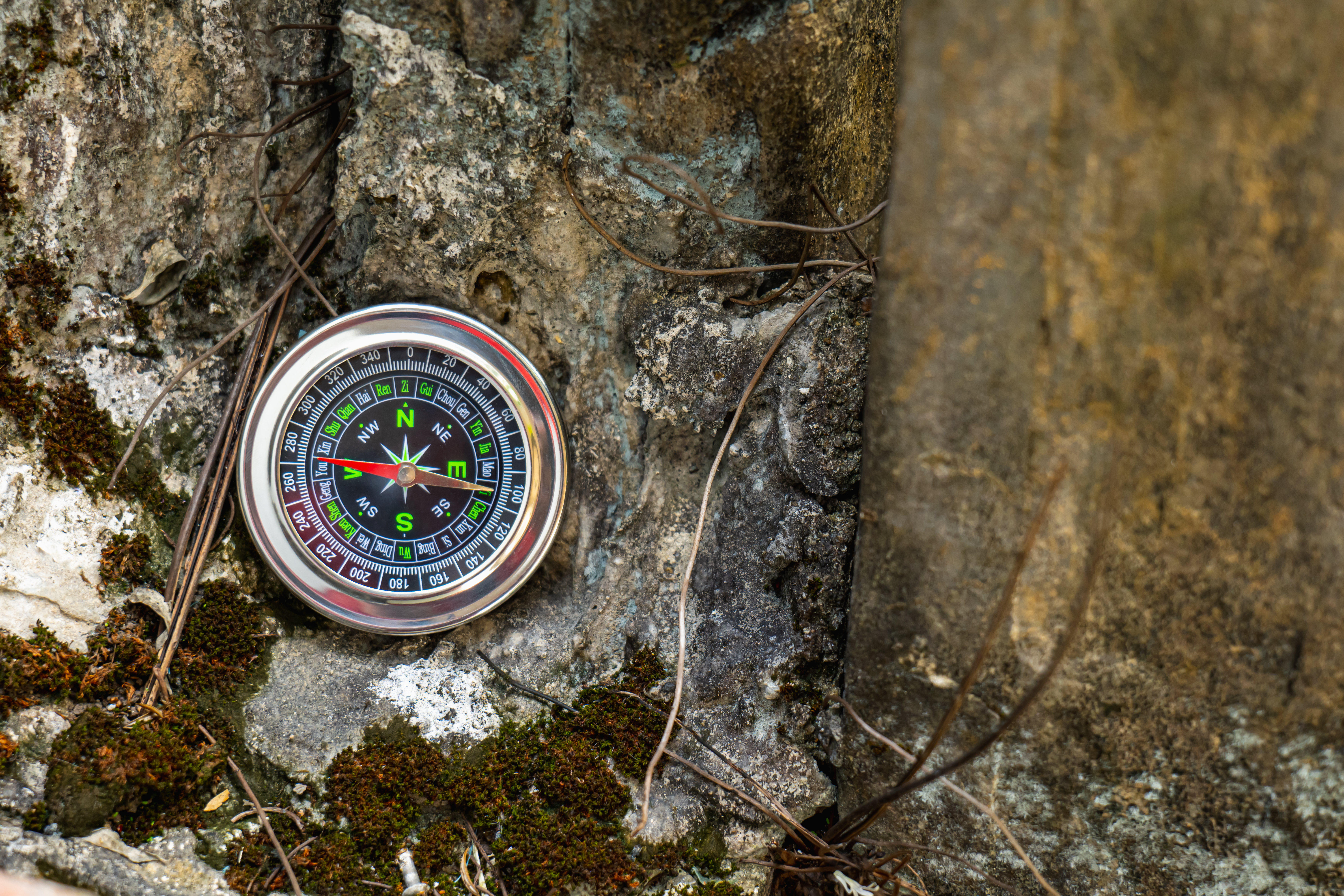
Additionally, laminated maps are a great tool for navigating. It’s useful to know how to navigate based on road signs, whether you’re traveling by car or on foot, especially if you don’t explore your local area very much. When you need to meet someone like a family member in a city, you need to know how to get there quickly, especially when traffic is heavy or a road is closed.
Cars fill the roads during emergencies, such as hurricane evacuations. Most people take highways and interstates to get to a place, but if you can get to the same place via side roads or another route, you may be able to escape quicker. It is crucial to know alternate routes as well. I’ll admit, this is a critical one for me. I can get lost in my closet without a GSP. But in a survival sitation, GPS may not be available.
Ensure that your maps are up-to-date. Many times, construction can divert certain roads, and you don’t want to end up following a path down to a dead end. Also, make sure you get maps that are durable and laminated so that they won’t become damaged or unreadable in rain or other harsh conditions.
In addition to maps of your local area, you should also have maps of the wider country you live in. You won’t get the detail you need on a country-wide map, while a local map won’t be useful if you leave the area. You should keep these maps in your glove box and in your bug-out bag, in case you have to bug out on foot or if your car breaks down and you forget them.
You can find detailed atlases that contain comprehensive country-specific road information in one place. Oftentimes, these are spiral-bound books with lots of useful information. To keep track of your cardinal direction, it is also a good idea to pair these maps with a compass. Even if you know where you’re going, you wouldn’t want to be turned around in a stressful situation.
Learn how to read road maps and follow their directions if you’re unfamiliar with them. To practice, pick a point nearby that you haven’t been to, then follow the map only to get there.
Crank Radios Keep You Up to Date
During most emergency situations, radio broadcasts will provide information about where to go and what’s happening. Weather alert broadcasts, for example, frequently use this technique. However, you must have a device to listen to these radio broadcasts. Your bug-out bag should contain a crank-handle radio in case your car dies or is otherwise inaccessible.
If you run out of batteries, a crank radio will still work for you. It’s not necessary to carry a bunch of backup AA batteries; just crank it for a few minutes and it’ll work again. You can use a crank radio to charge your phone or other devices if you are away from home or do not have access to an electrical outlet, so it’s definitely worth getting a nice one.
There are also crank radios with flashlights built in, which can help you reduce your bag weight by consolidating the items you need. Rather than carrying an extra bulky flashlight, your radio can incorporate one.
It is also possible to find crank radios that have a solar panel on top for charging. You can power these radios in four ways: with wall plugs, cranks, solar panels, or batteries. There are plenty of options for power, so you should never be without it.
It won’t take you long to get bored waiting in a safe place if you and your family are forced to evacuate. In the event that you have to bug out for a long time, you can use the AM radio for information, and the FM radio for entertainment.
You should also look for a crank radio that has an automatic alert feature. Radios with this power setting only turn on when a weather alert is issued. By keeping it close by, you’ll be alerted when a weather alert goes off, even if you don’t have a TV or radio on when the alerts go out.
Emergency radios can be used for more than just weather alerts, however. They will pick up any emergency broadcast, allowing you to remain informed in any survival situation. If you’re going to use the radio a lot on foot, it should also be durable and lightweight. Many radios are made of durable plastic that can handle being dropped or scratched.
Practice Your Plans Alone and With Family
Planning ahead is good, but rehearsing it first will help you get a feel for it. Practicing your plans can help you identify things that are good in theory, but not in practice.
Rehearsals are an excellent time to iron out any kinks in your plans that aren’t immediately obvious. You might not be able to carry all the supplies you put in your bug-out bag for a long distance, for example. Your bag may need to be lightened, or perhaps you need to get physically fit enough to carry it easily long distances. Having that realization in the middle of a survival situation is not what you want.
You and your family will also feel more comfortable with your plans if you practice them. The last thing you want to do in an emergency is to have to figure everything out on the fly, but rather to already have a plan laid out.
Having experience going through your plans is something many bug-out prepper people lack. Even if they have the best gear in their bags, if they get lost when it is time to use it, it is all useless. You’ll feel more at ease knowing what your plans are in an emergency, so you’ll be less stressed. The emergency itself is stressful enough, so there’s no need to add logistical problems to it.
In order to save time, you can also rehearse different parts of your plan separately, so that you won’t have to dedicate a whole day to enacting it. Taking your bug-out route home from work might be a good idea, for example.
Having said that, you should schedule a full day once a year for a complete review of your plans. By doing so, you can set realistic expectations about how fatigued you’ll be and how long the bug-out plans will take.
Work out these plans by yourself at first, just to get the gist of them down, and then include family members. Your bug-out plans might have different requirements and limitations for some family members, like children.
Often, family members will not want to be involved in a project like planning for emergencies, so you can iron out the kinks before they get involved.
Don’t take rehearsals lightly. Practicing them can prepare you for incredibly real situations that can be threatening. You won’t be able to critically analyze it if you don’t treat it seriously.
Take Classes for Hands-On Experience

Learning survival skills on your own isn’t always a good idea. It was common for these skills to be passed down from generation to generation many years ago. Young people were carefully taught, rather than having to relearn everything.
The concept still holds true today. Trying to learn survival skills yourself is extremely difficult, and the chances of doing something wrong or picking up a bad habit are high. Instead, you can take hands-on classes on a variety of subjects. If you have an REI store near you, the often have survival classes and events that are reasonably priced.
Hands-on experience is much more valuable than Internet research. For example, you can take classes on how to build a shelter in the wild. You can greatly benefit from the knowledge of people who have worked on perfecting that craft for years.
Look for classes that incorporate various components of your bug-out bag. If you have a fire starter, for instance, you should find someone to show you how to use it properly. You might benefit most from taking a more comprehensive course rather than one on a specific topic. It is common for places to offer classes that could last several days, during which they demonstrate a variety of survival skills.
In addition to learning the skills separately, you learn how to use them together – for example, building a fire to cook a fish you caught using paracord. Comprehensive courses can be even more helpful because you learn each skill individually, but you also know how to use them in conjunction with one another.
In some places, you can also take classes according to your skill level. For beginners, this is especially useful. You can improve your skills over time. In beginner classes, you will learn the most basic skills, while in more advanced classes, you will learn things like game trapping and first aid without a first aid kit.
Children can also participate in kid-friendly programs if you can find them. Children are much better at learning new skills than adults, so it’s good to instill them early on. You can bring the whole family to these classes. By starting them early, you’ll be able to prepare them for any emergency, and you’ll also get them physically active by having them spend time outdoors.
Critically Evaluate to Find Flaws
People often try to justify their plans to themselves as soon as they have been outlined. They will still stick with it even if there are issues because they came up with it themselves. The key to success is to be critical of your own plans and your own knowledge. If your plans are inadequate, changing them is no big deal, but sticking with them out of pride is.
Identify as many issues as possible, and come to a point when you can’t find any glaring issues or you have contingency plans for them. You should be analyzing your own plans to find these issues either way. By doing so, you’ll strengthen your own plans. By planning for every possible problem, you prevent being blindsided by one in the future. It’s better to avoid a potential issue even if it means changing your plans significantly.
It can also be useful to have an extra pair of eyes review your plans. Have a family member who is aware of your bug out plans look at them and find issues with them. It’s possible they’ll come up with something you’ve never thought of.
Despite your best efforts, you will never come up with the perfect plan. You can get close, but you’ll never reach perfection, so don’t worry if you keep finding problems. Unfortunately, sometimes you cannot plan around or avoid problems.
You should write down your basic plans and all contingencies and workarounds. You’ve spent all that time planning, but it won’t matter if you forget it or aren’t there to help evacuate your family. But instead of writing it down in a notebook, print it out from a computer and laminate it if possible. You can ensure the font is legible by using the computer, and you can make it more water and tear-resistant by laminating it.
It is also very easy to make multiple copies of your plans this way. Instead of transcribing everything by hand, you can print as many copies as you need and laminate them. By doing this, you can ensure that each family member has their own copy of your plans, and you can keep extras in the car. It’s dangerous to be the only one with all the plans, as if something happens to you, your family will be in danger.
If you share your knowledge with everyone, even if they’re separated from you, they’ll still know what to do. In this case, they are in a much better position than if they were left without any information at all.
 The Practical Homestead