Most people think January is the time to daydream about getting out in the garden, but there are a few simple garden tasks for January that you can do to give yourself a headstart on the growing season.
Garden tasks in January can vary based on your USDA Hardiness Zone. But what is a Hardiness Zone? USDA Hardiness Zones are standard by which gardeners all over the country plan their gardens and determine what plants will grow best for them where they live. It is based on the average annual lowest temperature for each region.

Recently, the Hardiness Zone map was updated to reflect the change in climate around the country. If you are unsure of what your hardiness zone is, visit the USDA and enter your zip code into the search box. The map will zoom in on your location, and the color of the map will coincide with a color on the Hardiness Zone key so you can see your specific zone. Mine is 5b, which hasn’t changed from the previous map, but many people will find a slight change from years prior.
Here are some general recommendations for each zone:
Zones 1 Through 3

Zones 1 through 3 encompass a small area of Alaska where temperatures can drop to -60° Fahrenheit, as well as the coldest regions of Wyoming, Wisconsin, Minnesota, and Montana. You might think gardening here in January is ridiculous because the soil is very frozen, but there are still a few things you can tackle this month.
January is the best time for planning your garden if you live in such a cold climate. Take some time to research the plants that grow best in your garden zone and decide what you’d like to try this year. Note the time to germinate, preferred spacing, and time to maturity for each plant you wish to grow.
You should also think about your garden failures from the previous year. What worked, what didn’t, and why? The answers to these questions will give you critical information that will help you do better this year. Once you’ve reviewed this information, sketch out a design of where you want to plant each, considering the amount of sunlight and type of soil you have.
Other tasks for this month include ordering seeds, listing the support structures you may need, and researching common pests for your area and how to handle them in your garden. Assess your garden tools and decide if any need to be repaired or replaced before you’re in the busy season. This includes seed starting supplies. Make a list of what you have on hand and what you need to acquire before starting seeds.
If you’re really itching to get your hands dirty, this is a good time to start seeds with a slow maturation rate. Or, grow some greens indoors for some fresh salads and brighten up your winter diet a bit.
Zones 4 and 5
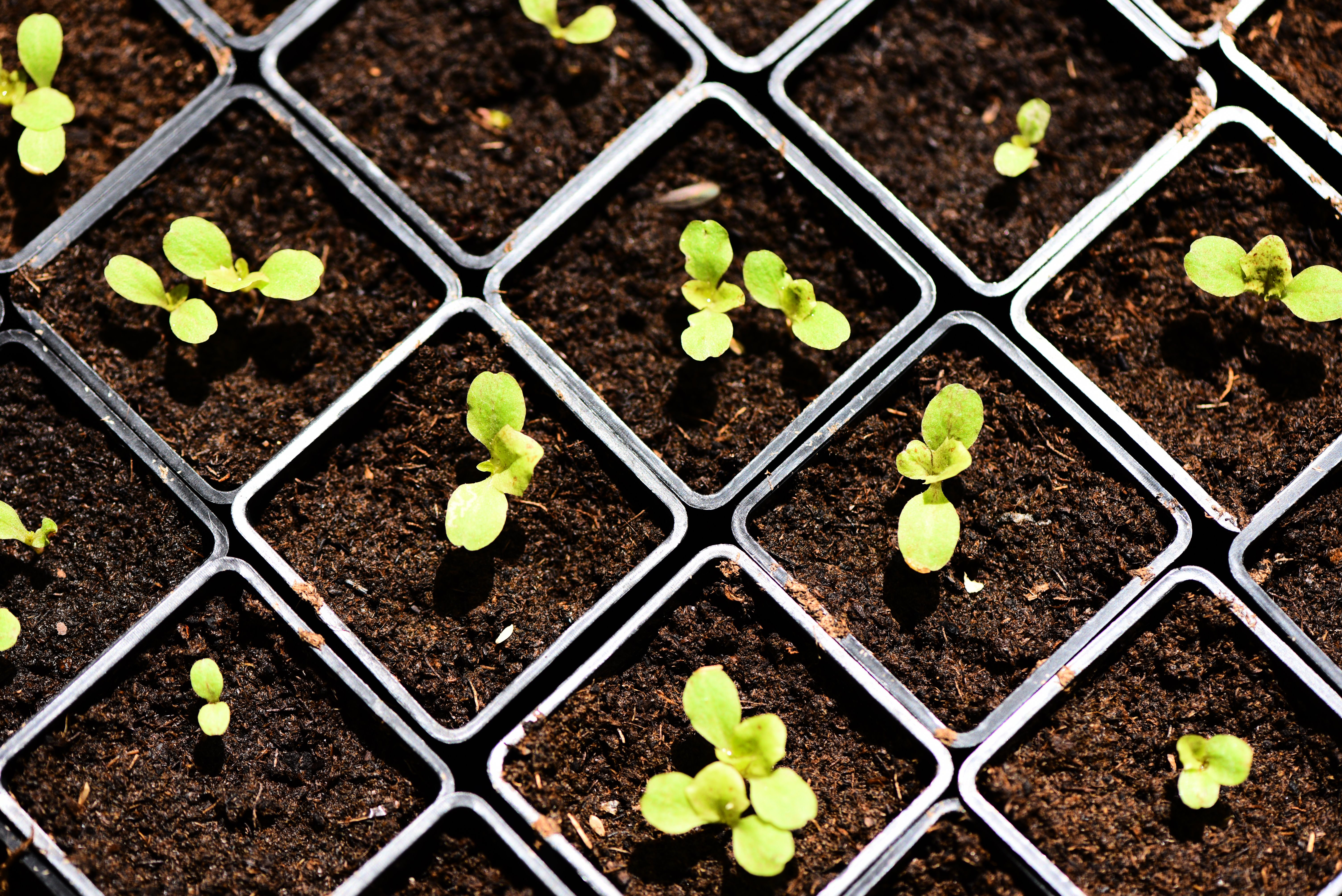
A bit warmer than zones 1-3, garden zones 4 and 5 have minimum chill temps from -30°F to -20°F. In this zone, you’ll do many of the same things as those in zones 1-3 in January: Chart the plants that thrive in your zone and note the germination times, time to maturity, and preferred spacing. Then, sketch out your garden plan based on the needs of your chosen plants and the light and soil conditions of your garden.
You’ll also be pouring over garden catalogs, ordering seeds, and planning garden support structures. If you have a greenhouse or cold frames, now is a good time to start cold-hard veggies like lettuce or broccoli. It’s great to get this head start because it often seems like temperatures go from cold to hot faster than our plants can mature. When this happens, we may miss out on our favorite cold-tolerant vegetables.
This is also a good time to get some garlic planted. Plant individual cloves four inches deep, with pointed ends up. Then, cover with at least three inches of mulch. Your garlic will be ready to harvest in the summer.
Zones 6 through 8
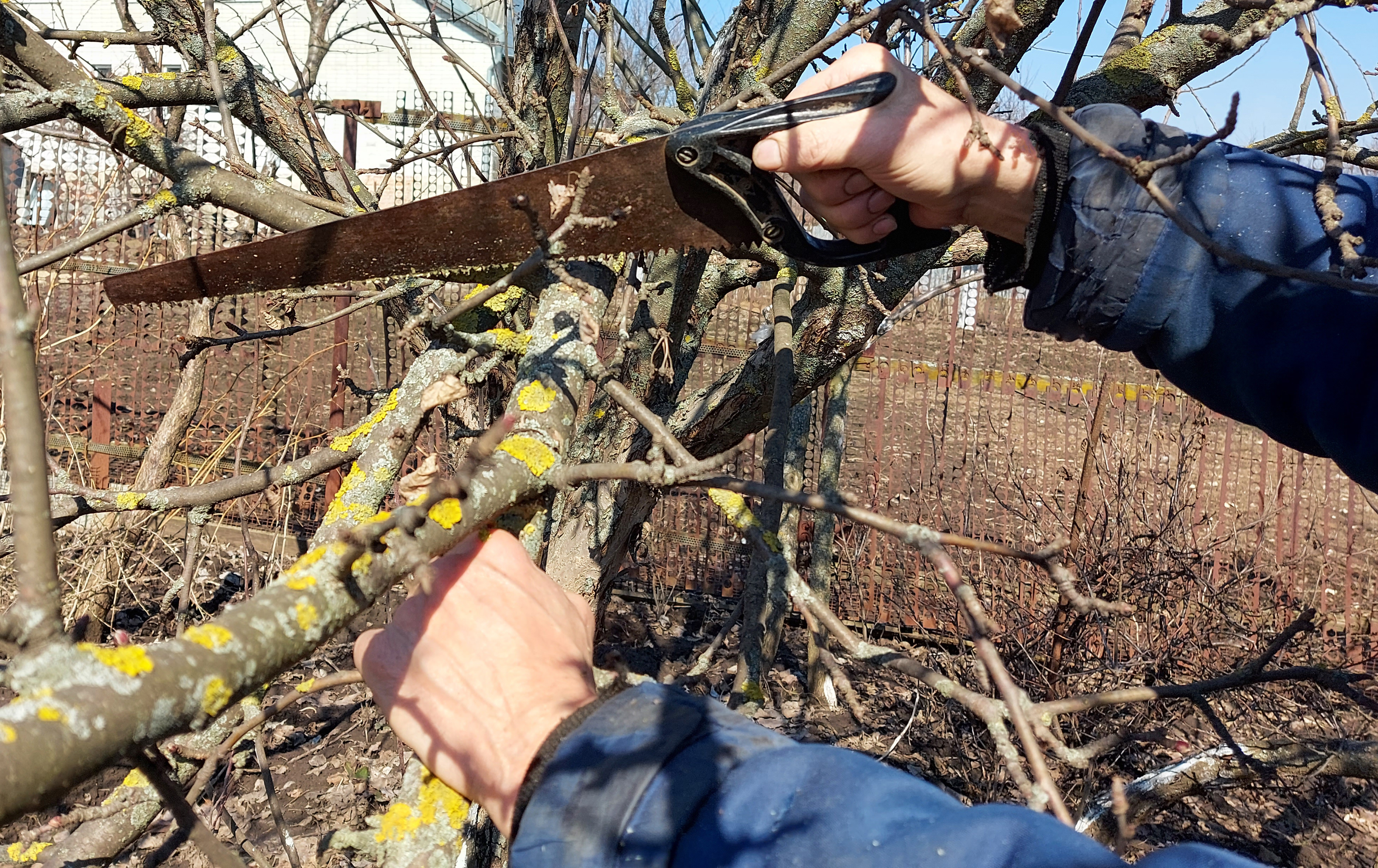
January garden tasks in zones 6 through 8 are the same as the previous zones regarding planning and preparing for the garden season. However, because these zones aren’t quite as cold, it’s also a great time to prune fruit and non-flowering ornamental trees, deciduous vining plants, rose bushes, and grapes.
Are your garden beds still covered in snow? Here in Wisconsin (zone 5), we’re expecting the first snowstorm of the season on Tuesday, with more coming on Friday. But today, there isn’t any snow, and we’ve hardly had more than a dusting all winter. If you’re in a similar situation, it’s a good time to ensure that your garden has adequate mulch to protect your perennials before the snow flies, so they can survive until the next growing season.
Sow seeds indoors for early spring planting. Good seeds to start now in zones 6 through 8 include cole crops like cabbage, broccoli, and cauliflower. Onions, lettuce, peas, and kale can also be started now. In fact, if you’re in zone 8, you may be able to start these outside. Check the back of your seed packet to be sure when and where to start your seeds.
Zones 9 Through 11
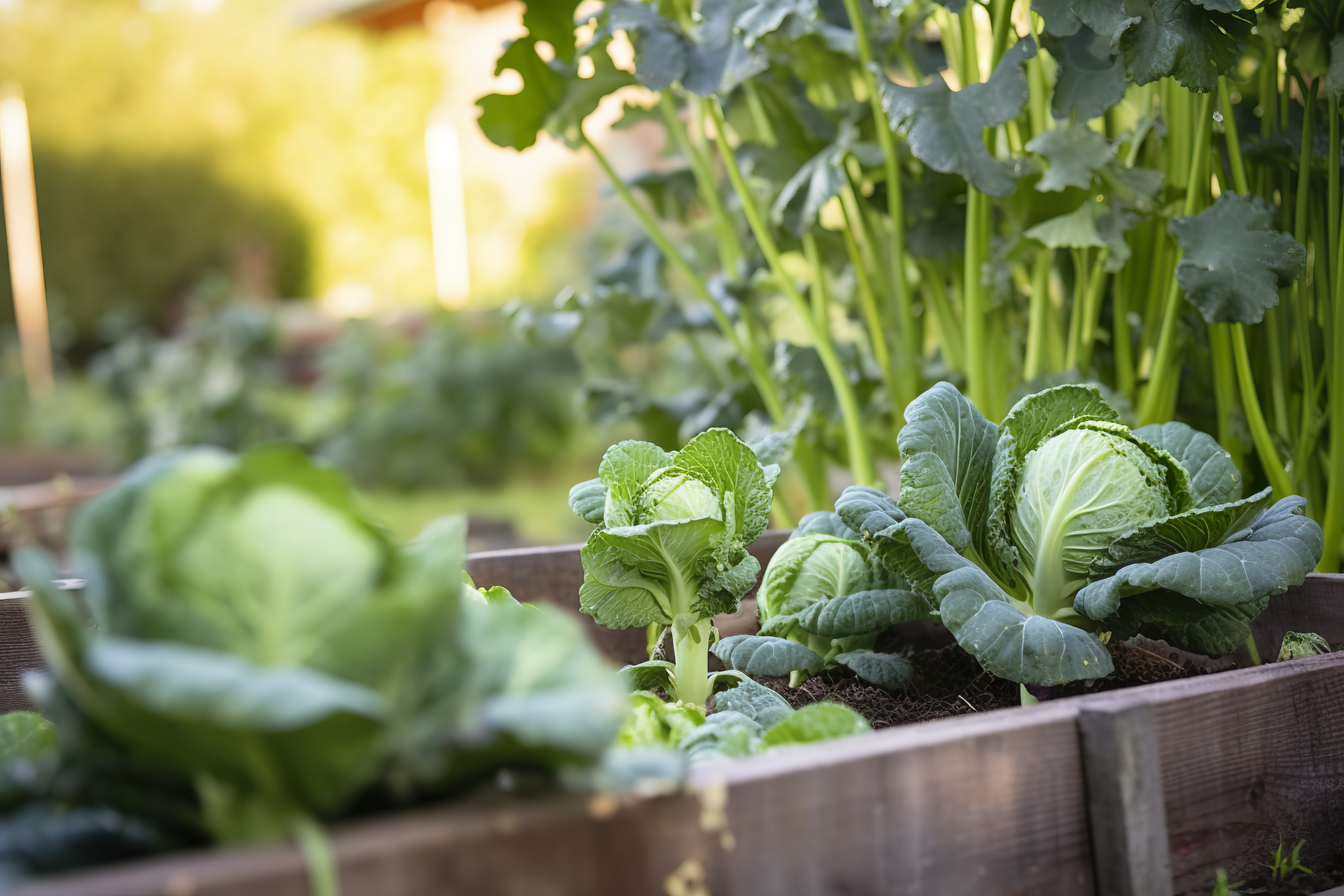
If you are in garden zones 9 through 11, you have a few more garden tasks for January than those living in the cooler garden zones. If you’ve been chomping at the bit to start your garden, you should be pretty excited by now because you can start adding compost or other organic amendments to your garden beds and getting seeds started for your warm-weather crops. This means tomatoes, peppers, squash, and eggplant are all ready to be started from seed indoors. Lucky you!
Now is also when you should move your cool season veggie starts outdoors to the garden. So, if you started your cole crops and lettuce indoors, they should all be ready to move outside. You can also directly sow carrots, peas, onions, and radishes outdoors now.
Be sure to mulch all of your plants to help them retain moisture and regulate the soil temperature throughout the year.
Remember, these are general guidelines, and local conditions may vary. Adjust tasks based on your specific microclimate and weather patterns. Always check for any specific recommendations for your region.
 The Practical Homestead