Do you know how to assess your preparedness for SHTF situations? Assessing your level of preparedness is a critical step in ensuring you’re truly ready for a potential crisis. From supplies and skills to mental resilience and community networks, this process involves evaluating various aspects of preparedness. Strengths and weaknesses must be identified, and a plan must be created to address them.

Assess Your Supplies

Assessing your preparedness begins with an assessment of your supply inventory. It includes not only food and water but also medical supplies, tools, clothing, and other survival essentials.
You should have enough supplies to sustain yourself and your family for a minimum predetermined period, often suggested as at least 72 hours to several weeks. It’s also crucial to consider special needs like prescription medications, infant formula, or pet supplies. Check the quality, quantity, and expiration dates of all items.
Skills and Security Assessments

Beyond tangible supplies, a skill assessment is equally vital. Survival skills, such as first aid, self-defense, food preparation, and basic repair, are indispensable in SHTF situations. Evaluate your proficiency in these skills honestly and identify areas where you or your family members need further training or practice.
Another critical area to assess is your home’s safety and fortification. This includes the security of your home against potential break-ins, its resilience to natural disasters specific to your area, and your ability to maintain or repair it under challenging circumstances.
Consider conducting a mock drill to test the practicality of your plans and the ease of accessing and using your supplies and equipment. Mental preparedness is often the most challenging aspect to evaluate, yet it’s crucial.
This involves your ability to stay calm, think clearly, and make decisive decisions under stress. Reflect on past experiences in emergencies or high-pressure situations to gauge your psychological readiness. Developing stress management techniques and practicing scenarios mentally can enhance your mental preparedness.
Assess Your Communication and Community

Communication plans are a cornerstone of SHTF preparedness. Assess your communication methods with the outside world and within your family or group. Ensure you have alternative means of communication if the primary systems fail, and be sure everyone understands how to use them.
Assessing your community ties and support networks is vital. In many situations, community support and cooperation can significantly enhance survival chances. Evaluate your relationships with neighbors, local emergency services, and any survival groups or clubs you’re part of.
A strong network can provide additional resources, information, and assistance. Physical fitness is an often overlooked but essential part of preparedness. Your physical condition can greatly affect your ability to cope with the demands of SHTF situations. This includes walking long distances, handling manual work, or dealing with physical stress.
Financial Readiness and Preparedness on a Budget

Financial readiness is another aspect to evaluate. This includes having an emergency fund, assets that can be liquidated quickly, and alternative means of transaction if digital or banking systems are down. Financial preparedness also means being aware of and having a plan for dealing with the economic impacts of SHTF scenarios.
To be proactive with survival preparation, especially on a budget, you must be creative, resourceful, and understand your priorities clearly. You need to identify the most essential survival items and skills when preparing on a budget.
Stay Up To Date
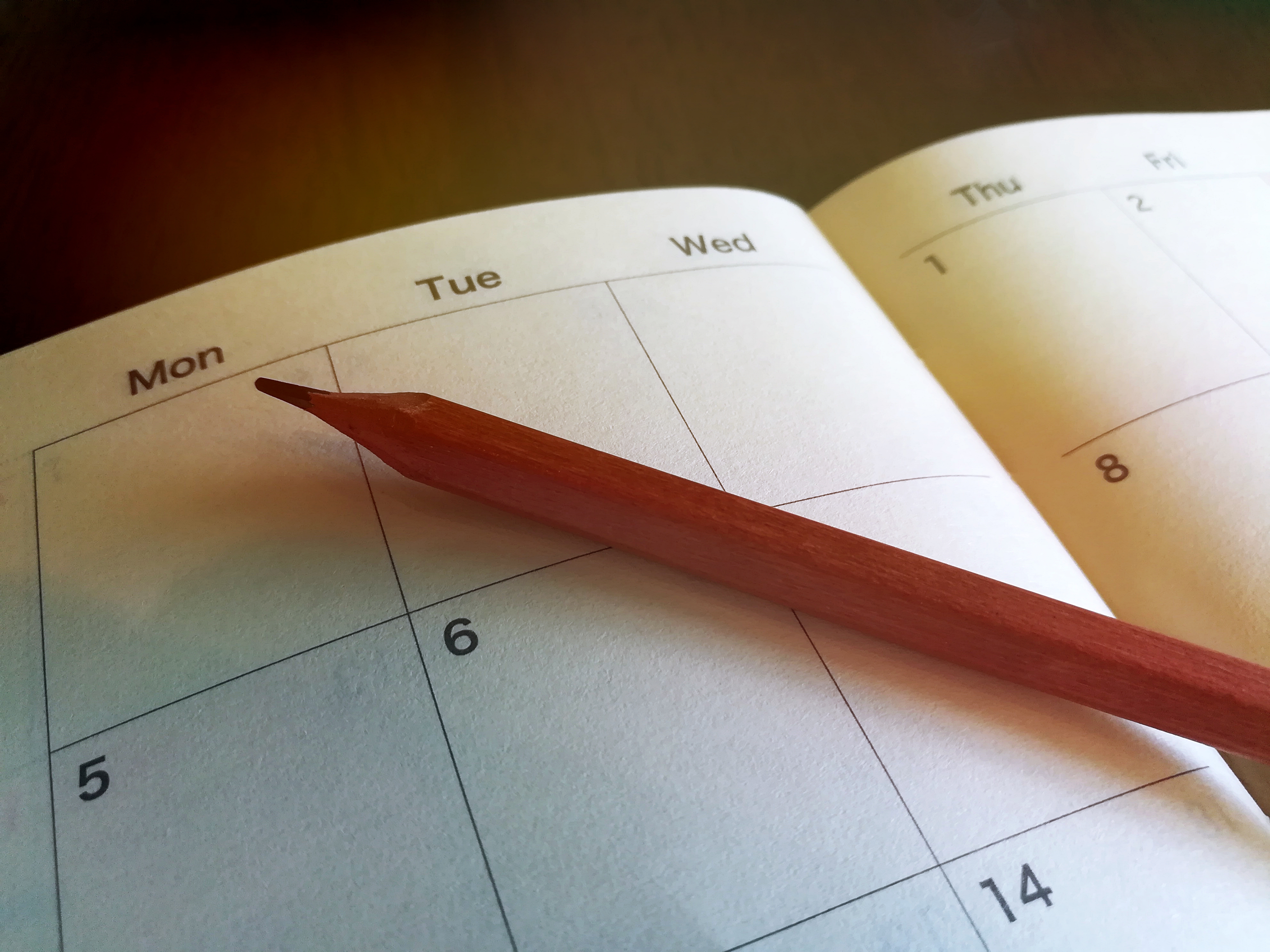
Finally, regular review and updating of your preparedness plan is essential. Threats evolve, personal circumstances change, and supplies need replenishing. Make it a habit to reassess your preparedness regularly or after significant life changes.
Assessing your preparedness for SHTF scenarios is a multi-faceted process that requires honest self-evaluation, regular review, and continuous improvement. By methodically assessing each aspect of your preparedness, you can identify areas of strength and address weaknesses. This ensures that when a crisis hits, you are ready to face it head-on.
 The Practical Homestead