Growing herbs can be a rewarding and straightforward endeavor, especially when done organically. Whether you’re just starting or looking to expand your existing herb garden, planning is crucial for success. In this guide, I’ll combine practical advice on planning your herb garden with tips on growing herbs organically, ensuring you have the healthiest and most productive garden possible.
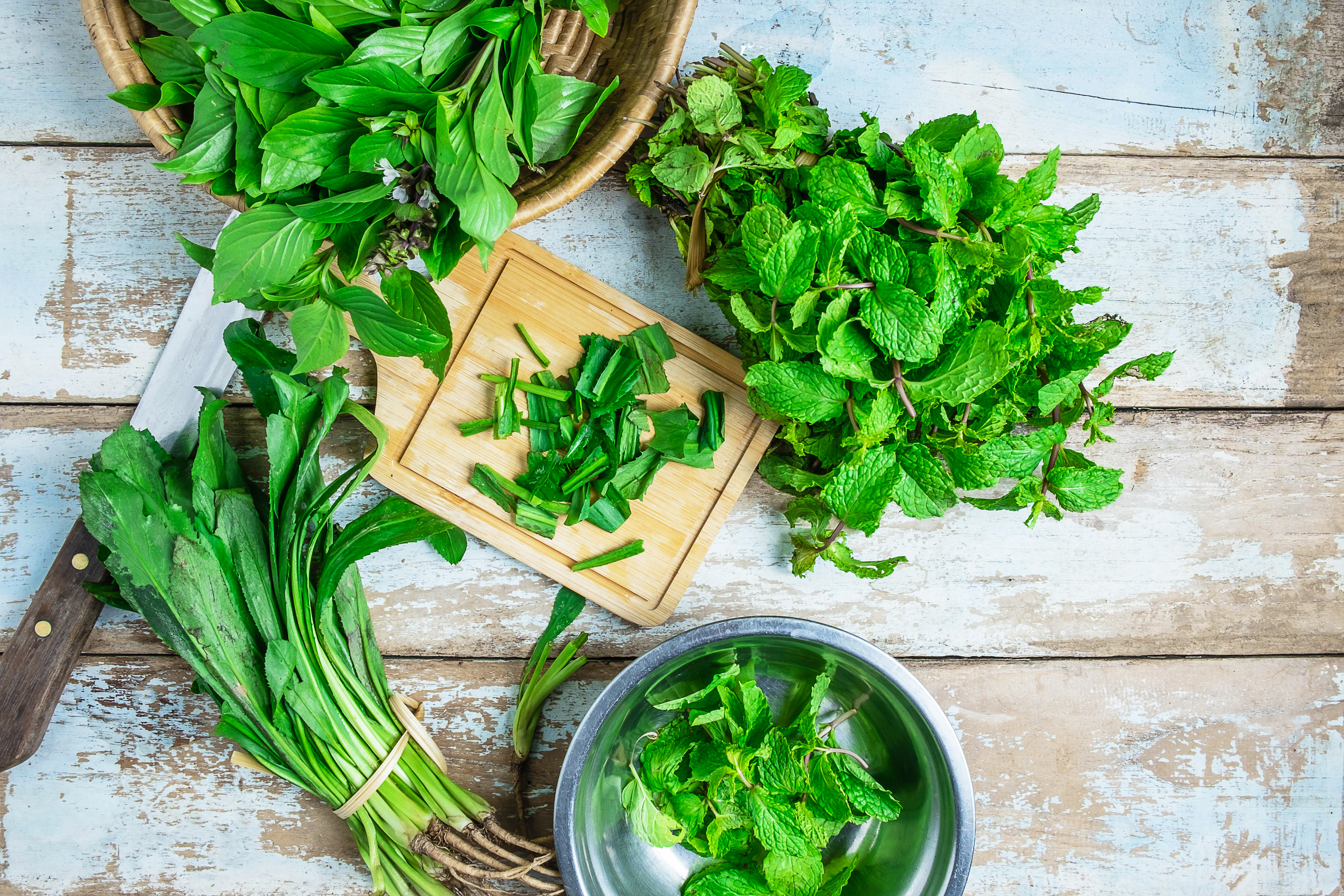
Planning Your Herb Garden
Before you start planting, take some time to plan your herb garden. With the variety of herbs available, it’s easy to get overwhelmed by the choices. However, a well-thought-out plan can help you focus on the herbs you’ll actually use and enjoy.
- Consider Your Space and Needs: Start by evaluating the space you have available. Herbs can be grown in garden beds, containers, or even indoors. Consider the amount of sunlight your space receives, as many herbs prefer full sun. However, some herbs, like mint and chervil, can tolerate partial shade. If you’re limited on space, containers are a great option, allowing you to move your herbs as needed.
- Choose Your Herbs Wisely: Herbs can be classified into three main categories: herbaceous perennials, evergreen perennials, and annuals. Herbaceous perennials, like oregano, chives, and tarragon, die back in the winter and return in the spring. Evergreen perennials, such as rosemary, sage, and thyme, keep their leaves year-round but need regular pruning to stay healthy. Annual herbs, like basil, cilantro, and dill, need to be replanted each year. When planning your garden, choose herbs that you’ll actually use in your cooking. It’s easy to get carried away, but it’s better to start with a few essentials and expand as you gain experience.
- Planting for Success: Once you’ve chosen your herbs, make sure they’re suitable for your climate zone. Check the hardiness zones for each herb and consider growing more delicate varieties in containers that you can bring indoors if necessary. Planting herbs that thrive in your local climate will save you time and frustration.
Growing Herbs Organically
Now that you’ve planned your garden, let’s discuss growing your herbs organically. Organic gardening is not only better for the environment but also ensures that your herbs are free from harmful chemicals, making them safer to consume.
- Start with Rich, Organic Soil: The foundation of a successful herb garden is the soil. Use a well-draining potting mix rich in organic matter. If you’re planting in the ground, consider mixing in organic compost to enrich the existing soil. Healthy soil is crucial for organic gardening because it helps your herbs resist diseases and pests naturally. Never skimp on soil quality—your herbs will thank you for it.
- Choosing and Planting Your Herbs: When buying seedlings, select high-quality, disease-resistant varieties. If you’re starting from seeds, be sure to thin them out as they grow so they don’t compete for space and nutrients. Plant your herbs in a spot that meets their sunlight requirements—most herbs need full sun, but some, like parsley and chervil, prefer a bit of shade.
- Use Organic Mulch and Pesticides: Mulching your herb garden is a great way to control weeds, retain moisture, and maintain soil temperature. Organic mulch, such as straw, wood chips, or leaves, is best. When it comes to pest control, organic methods like companion planting are effective. For example, planting garlic or marigolds alongside your herbs can help deter common pests. If pests do become an issue, opt for organic pesticides that are safe for your garden and your family.
- Practice Crop Rotation: To keep your herb garden healthy and free from persistent pests and diseases, practice crop rotation. Rotate where you plant different herbs each year, and consider changing up the varieties you grow. This helps prevent pests from establishing themselves in your garden and keeps the soil from becoming depleted of specific nutrients.
Maintaining and Harvesting Your Herb Garden
Once your herbs are planted and growing, regular maintenance is key to a thriving garden. Herbs don’t require a lot of care, but a little attention goes a long way.
- Prune and Harvest Regularly: Evergreen herbs like rosemary and thyme benefit from regular pruning. This encourages new growth and prevents the plants from becoming woody and unproductive. When harvesting, always use clean, sharp scissors or pruners to avoid damaging the plants. For annual herbs, snip off any flower buds you see to prolong leaf production.
- Watering and Feeding: Water your herbs regularly, but be careful not to overwater, as most herbs prefer well-drained soil. If you’ve used a rich organic compost, your herbs shouldn’t need much additional feeding. However, a light application of organic fertilizer during the growing season can boost growth and flavor.
Growing your own herbs organically is a gratifying experience that can elevate your cooking and connect you with the natural world. By planning your garden carefully and following organic gardening principles, you’ll be able to enjoy fresh, flavorful herbs straight from your garden. Whether you’re a seasoned gardener or just starting out, these tips will help you cultivate a healthy and productive herb garden that you can be proud of.
Growing Herbs Indoors
Growing herbs indoors is a fantastic option, especially if you have limited outdoor space or live in a climate with harsh winters. By bringing your herb garden inside, you can enjoy fresh flavors year-round while adding a touch of greenery to your home.
- Choosing the Right Spot: The success of your indoor herb garden starts with selecting the ideal spot in your home. Herbs need plenty of light to thrive, so choose a location that receives at least six to eight hours of sunlight daily. A south-facing window is usually the best option. If your home doesn’t have sufficient natural light, consider supplementing with grow lights to provide the necessary illumination.
- Selecting Containers: Container choice is crucial when growing herbs indoors. Select pots with good drainage to prevent water from accumulating at the roots, which can lead to rot. Terracotta pots are a popular choice because they allow the soil to breathe, but plastic or ceramic containers can also work well. Ensure that the containers are large enough to accommodate the mature size of the herb, allowing for healthy root development.
- Light and Watering Requirements: Indoor herbs often require more attention than their outdoor counterparts, particularly when it comes to light and watering. As mentioned earlier, adequate light is essential, so make sure your herbs are getting enough exposure or supplement with grow lights if necessary. When it comes to watering, herbs generally prefer slightly moist soil but should never be left sitting in water. Allow the top inch of soil to dry out between waterings to prevent overwatering, which can lead to root rot.
- Fertilizing: Since indoor herbs are confined to pots, they can quickly deplete the nutrients in the soil. To keep your herbs healthy and productive, use a balanced, organic fertilizer every four to six weeks during the growing season. Be careful not to over-fertilize, as this can lead to excessive leaf growth with less flavor. A diluted liquid fertilizer is often the best option for indoor herbs.
Growing herbs indoors is not only practical but also adds a touch of nature to your living space. With the right care and attention, your indoor herb garden can thrive, providing you with fresh, flavorful herbs all year long. Whether you’re growing herbs on a sunny windowsill or under the glow of grow lights, these tips will help ensure your indoor garden flourishes.
 The Practical Homestead