Gardening has always been a way for me to connect with nature, cultivate healthy food, and enjoy the serenity that comes from working with the earth. However, almost two years ago, I faced a series of injuries that made me question whether I could continue gardening. It was a tough time, and I almost gave up on my garden entirely. Thankfully, with the help of herbs, Reiki, and chiropractic care, I’m now on the mend and ready to dive back into gardening—this time, focusing on fall and winter crops.
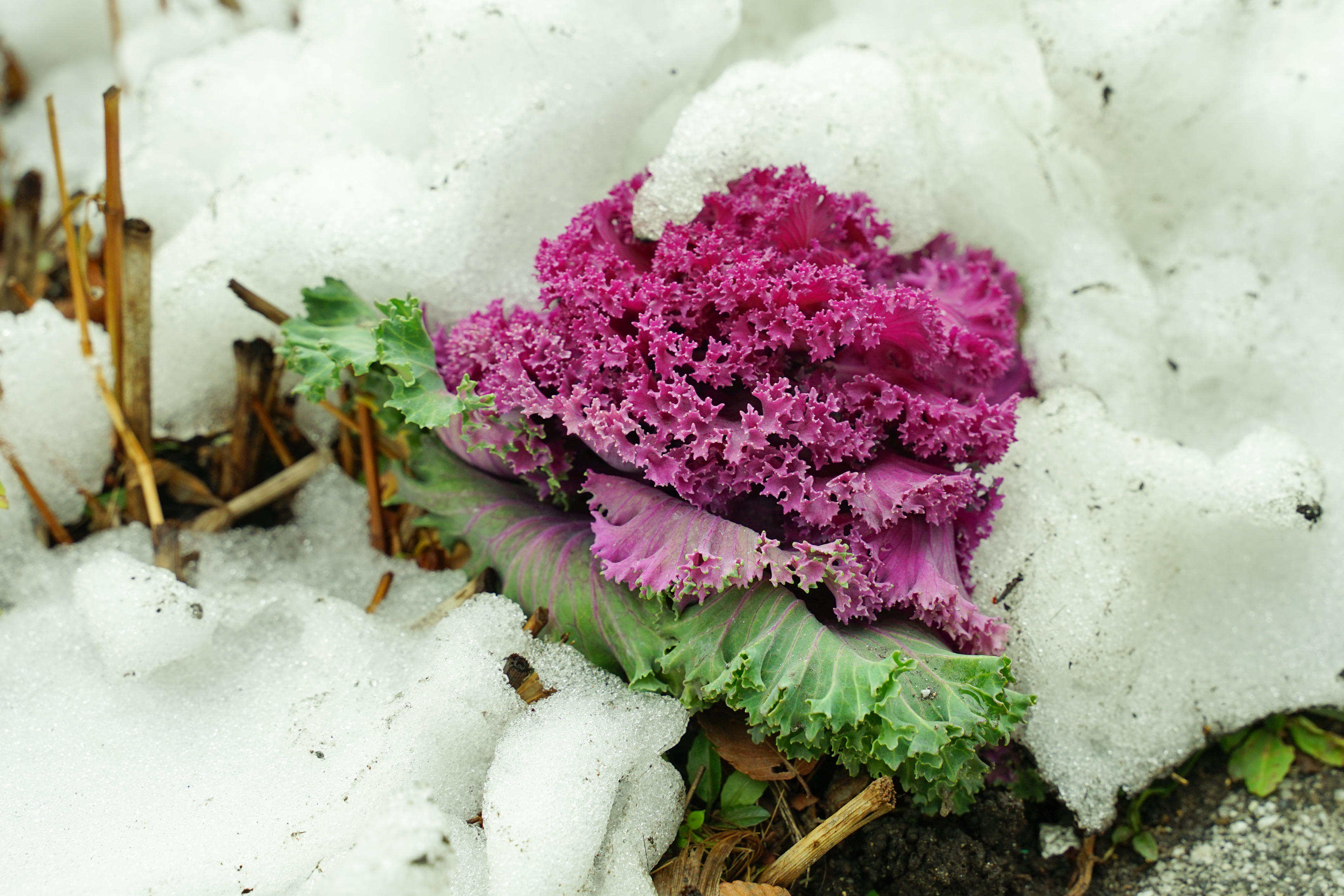
This month, I took part in the Winter Garden Challenge from Seedtime, and it’s been a transformative experience. For those unfamiliar, the Winter Garden Challenge is a structured program that guides gardeners through the process of planning and planting a successful winter garden. I’ve already gotten some seeds started, including broccoli, beans, peas, and radishes, here in Wisconsin’s zone 5B. The challenge has been both motivational and educational, offering step-by-step guidance that’s been invaluable, especially after my gardening hiatus.
The Value of Fall and Winter Gardening
Gardening in fall and winter might seem counterintuitive, especially in regions with shorter growing seasons and colder winters. However, with the right techniques and planning, you can extend your gardening season and enjoy fresh produce even during the colder months. Fall and winter gardening not only provides fresh, nutrient-rich food but also helps maintain a connection with your garden year-round, offering a sense of continuity and purpose through the seasons.
In addition to the extended harvest, cooler temperatures naturally reduce pest populations, leading to healthier plants with less need for intervention. This can be a welcome change for gardeners who have battled insects and diseases throughout the spring and summer. Furthermore, keeping your garden active year-round helps maintain soil structure and fertility. Cover crops, mulches, and winter plantings work together to enrich the soil, making it more productive and easier to work with in the spring.
Getting Started: Essential Steps for Fall and Winter Gardening
The first step in successful fall and winter gardening is to understand your local climate and growing zone. This knowledge is crucial because it will dictate which crops are best suited to your area and when to plant them. While I garden in Wisconsin’s zone 5B, this guide can be adapted to other zones by selecting appropriate cold-hardy crops and using season extension techniques to suit your specific climate.
Once you understand your growing conditions, planning your garden layout is the next step. Tools like the Seedtime app are incredibly useful for this process. The app allows you to map out your garden, track planting dates, and ensure you’re rotating crops appropriately to maintain soil health. It will even give you reminders for when to plant, cultivate, and harvest your produce. Careful planning will help you maximize the use of your garden space and ensure that all your crops have the conditions they need to thrive.
Starting seeds indoors or in a greenhouse is another essential aspect of fall and winter gardening. This gives your plants a head start, ensuring they’re mature enough to handle the cooler outdoor temperatures when transplanted. Indoor seed starting also allows you to control the environment, providing your seedlings with the warmth and light they need to grow strong before facing the challenges of colder weather.
Direct seeding is also an option, particularly if you’ve missed the window for starting seeds indoors or if you prefer to sow seeds directly into the soil. The key to successful direct seeding in the fall is timing. Check your first expected frost date and count back the number of days to maturity for the crops you want to plant. If your crops have time to mature before the frost, you can plant them directly. Keep in mind that you may need to add a couple of weeks to account for cooler temperatures and less sunlight, factors that cause plants to grow more slowly.
Crops like radishes, lettuce, and spinach are quick growers and can often be direct-seeded even late into the fall. For those unsure whether there’s enough time, using season extenders like row covers or cold frames can help protect seedlings from early frost, giving them the extra time they need to mature.
Season Extenders: Maximizing Your Harvest
Season extension techniques are vital for fall and winter gardening, especially in regions with unpredictable weather. These methods allow you to protect your crops from frost, wind, and other harsh conditions, effectively lengthening your growing season by several weeks or even months. The use of season extenders can make the difference between a thriving winter garden and one that struggles to produce.
One of the simplest and most effective season extenders is the row cover. These lightweight, flexible materials are placed directly over your plants, creating a microclimate that traps heat and protects against frost. Row covers are easy to install and can be used on a variety of crops, making them an excellent choice for both novice and experienced gardeners. They not only protect plants from the cold but also help retain moisture and reduce the need for watering.
Cold frames and hotbeds offer more robust protection and are particularly useful for starting seeds early or extending the harvest late into the season. Cold frames are essentially bottomless boxes with transparent lids that trap solar heat, creating a warm environment for plants. Hotbeds take this concept further by adding an external heat source, such as decomposing manure or heating cables, to maintain higher soil temperatures even in the dead of winter. Both cold frames and hotbeds are invaluable for gardeners looking to maximize their growing season and protect tender crops from early frosts.
Greenhouses and hoop houses are more permanent season extension solutions that allow for year-round gardening in many climates. Greenhouses provide a controlled environment that can be used to grow a wide variety of crops, even those that wouldn’t typically survive winter conditions. Hoop houses, which are essentially large row covers, offer a more flexible and cost-effective solution. They are easy to set up and can cover large areas, providing protection for multiple rows of crops. By using these season extenders, you can significantly increase your garden’s productivity and enjoy fresh produce well into the winter months.
Action Steps for Implementing Your Winter Garden
- Choose Your Crops: Select a variety of cold-hardy crops suited to your growing zone and preferences. Depending on the time available before frost, consider both transplanting seedlings and direct seeding.
- Plan Your Layout: Use tools like the Seedtime app to map out your garden layout, track planting dates, and ensure effective crop rotation and companion planting.
- Start Seeds Indoors: Begin seeds indoors six to eight weeks before your area’s first expected frost date. This will give your plants a head start and ensure they’re mature enough to handle outdoor conditions.
- Direct Seed Where Possible: For quick-growing crops like radishes, lettuce, and spinach, consider direct seeding. Check your first frost date and ensure you have enough time for these crops to mature before the cold sets in.
- Prepare Your Garden Beds: Clear out spent summer crops, amend the soil with compost, and set up any necessary season extension tools such as row covers, cold frames, or mulch.
- Utilize Season Extenders: Protect your crops from frost and cold by using row covers, cold frames, hoop houses, or greenhouses. These tools help create a microclimate that extends your growing season by several weeks or months.
- Monitor and Adjust: Keep an eye on the weather and your garden, adjusting your protection methods as needed. Be prepared to harvest crops as soon as they are ready to avoid frost damage.
The Seedtime App: A Gardener’s Best Friend
During the Winter Garden Challenge, I used the Seedtime app, which has been an invaluable tool for garden planning. This app offers a comprehensive planting calendar that is customized to your specific growing zone, ensuring that you plant at the optimal times for your climate. It also includes features for tracking crop rotations, companion planting, and even weather forecasts, helping you stay ahead of the game and avoid potential issues before they arise.

The Seedtime app is particularly useful for gardeners who want to optimize their space and time. The garden layout planner allows you to visualize your garden and organize your planting schedule effectively. Additionally, the app’s task reminders ensure that you never miss a planting date or garden chore, keeping your garden on track throughout the season. With the community support feature, you can connect with other gardeners, share tips and experiences, and stay motivated throughout the gardening year.
And did I mention it’s free?
Overcoming Setbacks and Moving Forward
My journey back to the garden this fall has been a testament to resilience and the healing power of nature. After dealing with injuries that made me question whether I could continue gardening, it’s been a joy to reconnect with this passion. Gardening has not only helped me heal physically but has also provided a sense of accomplishment, peace, and self-sufficiency. With the help of tools like the Seedtime app and the knowledge gained from the Winter Garden Challenge, I’m more confident than ever in my ability to garden through the fall and winter.
For those who may be facing similar setbacks, I encourage you to start small and build your confidence. Even a small winter garden can provide immense satisfaction and a bountiful harvest. Stay connected with gardening communities online or locally, as they can offer support, inspiration, and valuable advice. Celebrate your successes, no matter how small, and use them as motivation to keep going. Gardening is a journey, and every step forward, no matter how small, is a step toward growth and fulfillment.
Embrace the Challenge
Fall and winter gardening can be a rewarding and productive endeavor, offering the opportunity to enjoy fresh, homegrown produce throughout the colder months. With careful planning, the right tools, and a bit of perseverance, you can extend your growing season and enhance your connection with your garden. Whether you’re recovering from setbacks like I did or simply looking to expand your gardening horizons, the journey is worth it. Embrace the challenge, stay connected with your garden, and enjoy the fruits (and vegetables) of your labor all year round.
 The Practical Homestead