Hunting for self-sufficiency has been a cornerstone of human survival for thousands of years, and in modern times, it is still a key practice for those striving for self-sufficiency. Whether you’re an experienced homesteader or just starting your journey into sustainable living, hunting can provide a reliable source of food, connect you more deeply to nature, and reduce your dependency on store-bought goods.
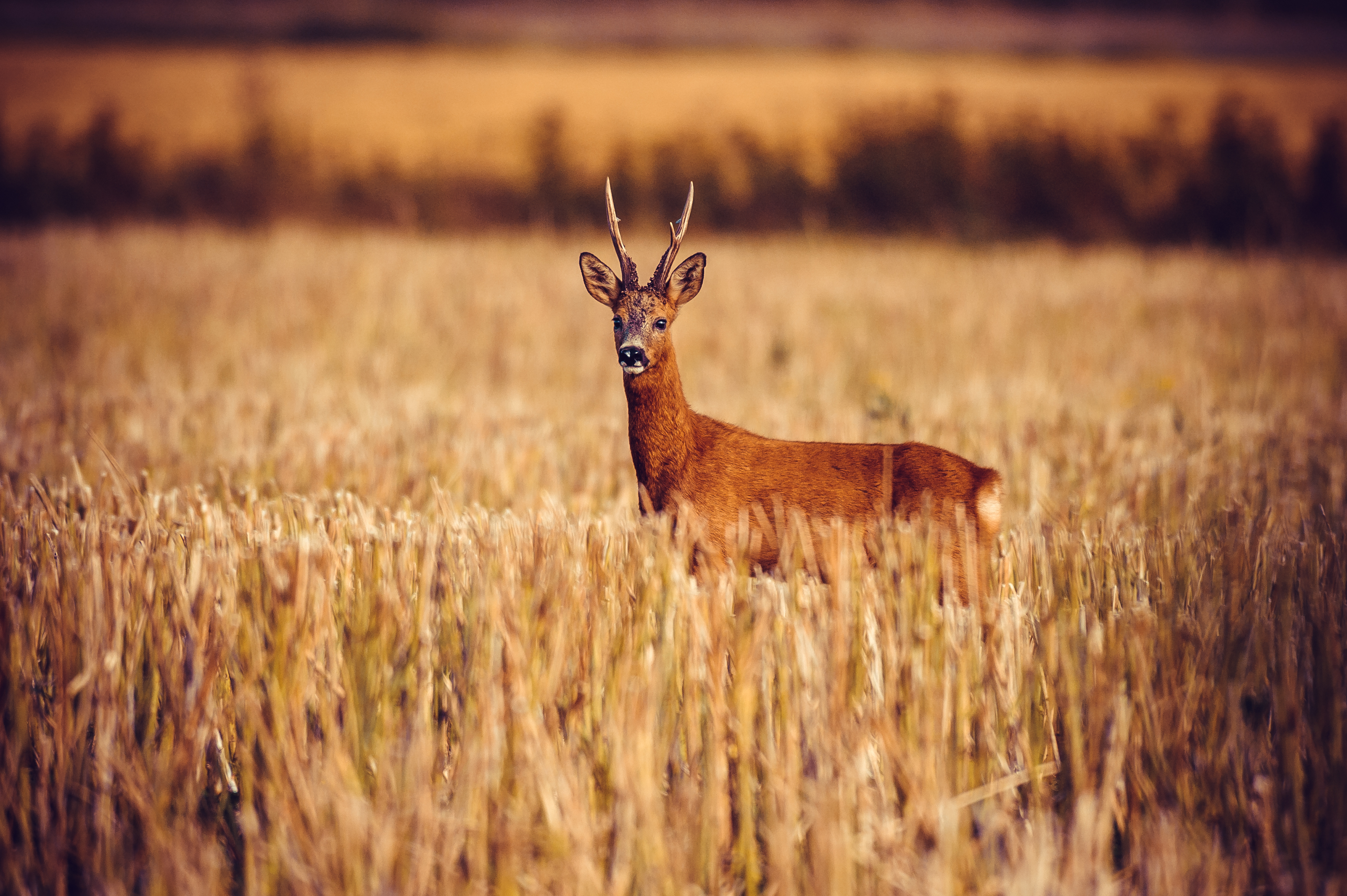
However, the value of hunting extends far beyond simply obtaining food. When practiced ethically and with proper training, hunting contributes to wildlife management, ensures population balance, and promotes conservation efforts. In this article, we will explore the multifaceted benefits of hunting for self-sufficiency, the importance of hunter’s education training, understanding hunting seasons, and the ethical considerations that help maintain healthy animal populations. We’ll also touch on the critical skill of preserving the meat from your hunt, allowing you to make the most of what nature provides.
Note that the links in this article are for Wisconsin, where I live. You can find similar information on your state DNR page.
Hunting for Food and Self-Sufficiency
For those living a self-sufficient lifestyle, hunting offers an abundant and nutritious source of food. Wild game, such as deer, elk, rabbits, and waterfowl, provides lean protein that is often richer in vitamins and minerals than store-bought meat. For example, venison (deer meat) is high in iron, zinc, and B vitamins, while being lower in fat than beef. In addition, wild game is free from the hormones and antibiotics often used in commercial livestock.
Beyond the nutritional benefits, hunting allows individuals to be more independent. Hunters reduce reliance on grocery stores and mass-produced meat by harvesting their own food. This is especially important for those aiming to live off-grid or prepare for emergencies where food supplies could become scarce. Moreover, hunting teaches important survival skills, such as tracking, butchering, and preserving meat, which are valuable in a self-sufficient lifestyle.
The Importance of Hunter’s Education Training
Before venturing into the woods, it’s essential for all hunters to undergo hunter’s education training. This training ensures hunters know about safety, ethical practices, and wildlife conservation. Many states require individuals to complete a hunter’s education course before obtaining a hunting license, particularly for first-time hunters or those under a certain age. Sometimes, you can even find women’s only classes, which are a lot of fun.
Hunter’s education courses cover a wide range of topics, including firearm safety, archery safety, wildlife identification, first aid, and survival skills. The courses emphasize the importance of understanding local hunting regulations and seasons designed to protect both wildlife populations and hunters.
Moreover, hunter’s education instills a sense of responsibility and respect for nature. It teaches hunters to understand their role in wildlife management and how their actions can impact the ecosystem. Ethical hunting is a central focus of these programs, ensuring that hunters harvest only what they need and avoid waste. This training is crucial for safety and maintaining the integrity of hunting as a sustainable practice.
Understanding Hunting Seasons and Regulations
Wildlife management agencies carefully establish hunting seasons to ensure that game populations remain healthy and sustainable. These seasons are often timed to coincide with specific stages of the animals’ life cycles, ensuring that hunters harvest animals at the most appropriate times. For example, deer hunting seasons are usually scheduled in the fall, after the breeding season, but before the harsh winter months when food becomes scarce. This timing helps to avoid overharvesting during vulnerable periods in the animals’ reproductive cycles.
Each type of game has its own designated season, and hunters must adhere to these regulations. Violating hunting seasons, either by hunting out of season or exceeding bag limits (the number of animals a hunter is allowed to harvest), can lead to fines and the loss of hunting privileges. More importantly, disregarding these regulations can harm wildlife populations and disrupt local ecosystems.
Hunting licenses, tags, and permits are also part of the regulatory framework. Hunters are often required to obtain specific tags for larger game, such as deer or elk, which help wildlife agencies track and manage population numbers. By following these regulations, hunters contribute to conservation efforts and help ensure that game populations remain sustainable for future generations.
Ethical Hunting and Wildlife Conservation
Ethical hunting goes hand in hand with wildlife conservation. Far from being harmful to wildlife populations, responsible hunting can actually benefit ecosystems. In many regions, hunting is used as a tool for population control, helping to prevent the overpopulation of certain species that could otherwise lead to habitat destruction, disease, and starvation. For example, in areas where deer populations are left unchecked, they can overgraze, depleting food sources and damaging the environment for other wildlife.
By selectively harvesting animals, hunters help maintain a balanced ecosystem. This also reduces the likelihood of human-wildlife conflicts, such as deer wandering into suburban areas and causing damage to gardens or colliding with vehicles. Ethical hunters also avoid taking animals that are too young, too old, or unhealthy, thereby ensuring that the strongest individuals remain in the gene pool.
Hunters who adhere to ethical principles also take care to use clean, efficient kills, minimizing the animals’ suffering. This can involve using the right type of firearm or bow, practicing marksmanship, and choosing the correct shot placement. Ethical hunting is about respecting the animal and making the most of the harvest, which often includes using every part of the animal, from meat to hides and bones.
Preserving the Hunt
One of the most important skills for any self-sufficient hunter is knowing how to preserve the meat from the hunt. Proper preservation ensures that nothing goes to waste and that you have access to nutritious food throughout the year.
The first step in meat preservation is field dressing the animal as soon as possible after the harvest. This involves removing the internal organs to cool the body and prevent spoilage. After transporting the animal back home, it should be butchered and stored using appropriate methods.
There are several ways to preserve wild game meat:
- Freezing: The most common method is freezing. To prevent freezer burn, meat should be packaged tightly in freezer paper or vacuum-sealed. When properly frozen, venison and other game meats can last up to a year.
- Canning: Pressure canning is another effective way to preserve meat. Canned venison, for instance, can be stored for years and makes for easy, ready-to-eat meals.
- Smoking and Drying: Smoking adds flavor, while drying preserves the meat by removing moisture. Jerky is a popular method of preserving game, especially for long-term storage without refrigeration.
- Salting and Brining: In more traditional methods, salting or brining the meat can help preserve it for extended periods, though this may require specific storage conditions.
Learning these preservation techniques prevents waste and provides a sense of security, knowing you have a supply of food that can last through tough times or emergencies.
Hunting and Self-Sufficiency: A Time-Honored Tradition
Hunting for self-sufficiency is about much more than harvesting meat—it’s about reconnecting with nature, learning valuable survival skills, and contributing to the health of ecosystems. Through proper education and ethical practices, hunters can enjoy the land’s bounty while ensuring that wildlife populations remain balanced and sustainable.
By preserving the meat and using every part of the animal, hunters provide for their families and honor the animals and the land. In a world where food security and sustainability are growing concerns, hunting remains vital for those committed to self-sufficiency and living off the land.
 The Practical Homestead