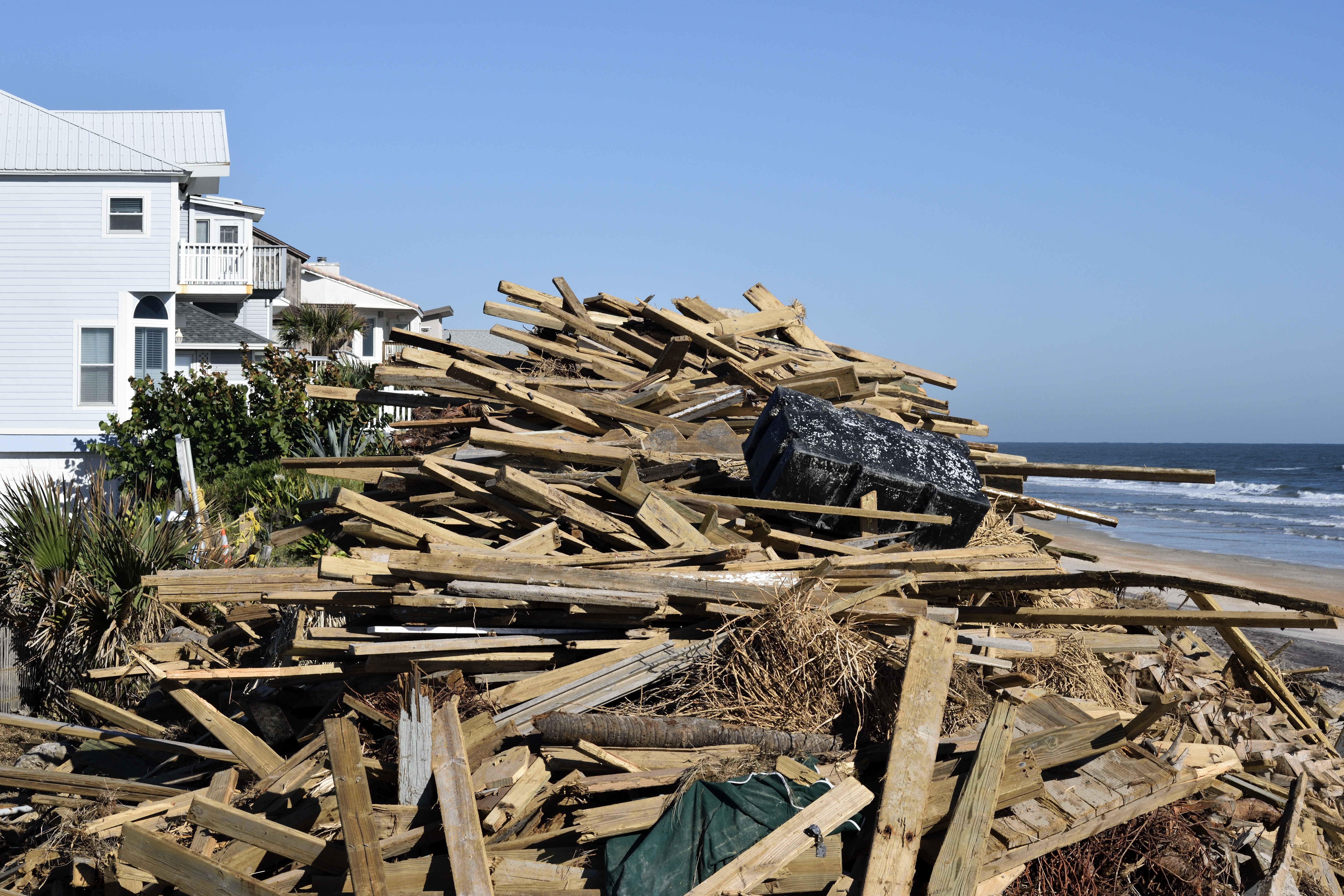
As we’ve just seen in the aftermath of Hurricane Helene, hurricanes can wreak havoc on communities, leaving behind a path of destruction that includes flooded homes, downed power lines, and devastated infrastructure. While preparing for the storm is critical, knowing what to do after the hurricane passes is equally important. In this article, we’ll cover essential post-hurricane steps, including how to maintain cell service when the power is out, protect yourself from looters, and offer insights on the aftermath of Hurricane Helene, which left thousands needing assistance.
Immediate Safety Measures
Once a hurricane has passed, the first priority is safety. Even if the skies clear and the winds have died down, the environment outside may still be dangerous.
Here are the things you must do first:
- Wait for Official Alerts: Only leave your shelter or home when officials declare it safe. Flooded roads, debris, and downed power lines may still pose significant risks. Many injuries happen post-storm, so be extra careful.
- Avoid Floodwaters: Floodwaters can contain a range of hazards, including sharp objects, raw sewage, and hazardous chemicals. Additionally, standing water can hide live electrical wires. Never walk or drive through flooded areas.
- Turn Off Gas and Electricity: If you evacuated or if your home was compromised, shut off the gas and electricity to prevent fires and gas leaks. Avoid turning the power back on until a professional has assessed the situation.
- Check for Injuries: This should probably be listed first, but if you or others are injured, administer first aid if possible and seek medical help when it is safe. Keep a first aid kit on hand and be prepared for limited access to medical professionals due to emergency responses being overwhelmed.
- Document Damage: Once it’s safe to return home, take photos and videos of any damage for insurance purposes. This documentation will be crucial when filing claims.
Maintaining Cell Service When Power Is Out
Communication is critical in the aftermath of a hurricane, especially when the power is out. Here are some strategies to help you maintain cell service:
- Conserve Phone Battery: After the storm, power outages could last for days or even weeks. Conserve your phone’s battery by switching it to low power mode, turning off WiFi and Bluetooth, and closing unnecessary apps. Avoid making unnecessary calls or sending texts that aren’t urgent.
- Use Portable Chargers: Investing in a few portable chargers or power banks before a hurricane can help you maintain cell service even during extended power outages. Keep these fully charged before the storm hits, and ration their use in the days following.
- Solar Chargers: If you anticipate extended outages, solar-powered phone chargers can be a lifesaver. These devices can provide a renewable energy source to keep your phone and other small electronics charged during the day.
- Car Charger: If your car is not damaged and roads are safe to navigate, use a car charger to keep your phone powered. This can be a good last-resort option if you’re out of other power sources.
- Use Text Messaging: Text messaging uses less battery and data than phone calls. During an emergency, networks may prioritize text traffic over voice calls, meaning your messages are more likely to go through.
- Access Emergency Information: Many emergency service providers send alerts via SMS, so ensure your phone is set to receive these messages. You can also use your phone to access local government websites and social media for updates on rescue efforts, shelter locations, and other critical information.
- Use a Mobile Hotspot: Mobile hotspots work by tapping into a cellular network, just like your phone does when you use mobile data. This means that as long as your cellular provider’s network is operational and you have signal, you can still access the internet even if your home’s WiFi and power are down. Just make sure that a mobile hotspot is included in your cell plan and that you have hotspot function on your phone.
Protecting Yourself from Looters
Unfortunately, after a hurricane hits and order breaks down, looting can become a concern in some areas. Criminals may try to take advantage of the situation with homes damaged or abandoned due to evacuation.
Here are some ways to protect yourself and your property:
- Secure Your Home: If your home is still standing and you plan to stay, make sure all doors and windows are securely locked. If there’s structural damage, board up broken windows or damaged areas as much as possible to prevent easy entry.
- Set up a Neighborhood Watch: Communities are often the first line of defense in the aftermath of a disaster. Coordinate with your neighbors to keep an eye on each other’s homes. Taking turns patrolling the area can discourage looters from targeting your neighborhood.
- Don’t Advertise Your Absence: If you’ve evacuated your home, avoid sharing that information publicly, especially on social media. Instead, let close friends and family know directly. Broadcasting your absence can make your home a target.
- Home Security Systems: Many modern security systems have battery backups that can last several days, even without power. Some systems even allow for remote monitoring through mobile apps. Simple deterrents like motion-activated lights (if power is restored) or “Beware of Dog” signs can make looters think twice.
- Arm Yourself if Necessary: In some instances, having a legal means of protection—such as a firearm or other defensive tools—may be necessary, particularly in areas where law enforcement response times are stretched due to the disaster. If you choose this route, make sure you are trained and familiar with your local laws.
- Avoid Confrontation: While protecting your property is crucial, confronting looters directly can be dangerous. If possible, retreat to a safe location and alert local authorities to the situation.
Helping Others: The Aftermath of Hurricane Helene
Hurricane Helene was a powerful and devastating storm that affected tens of thousands of people across the eastern seaboard. With winds reaching over 140 mph and storm surges that flooded entire neighborhoods, the storm caused widespread destruction to homes, businesses, and critical infrastructure.
Communities Affected: The hardest-hit areas included coastal regions, where both high winds and rising waters destroyed homes and displaced families. In some areas, entire neighborhoods were submerged, leaving residents without access to clean water, food, or shelter. The number of people displaced is still being calculated, but over 130 people have died, and countless others were impacted in some way, whether through property damage, injury, or loss of power and resources.
The biggest surprise was probably the damage to North Carolina. Asheville is about 2200 feet in elevation—an area that is certainly not known as a danger zone for hurricanes. This shows that it’s never silly to be prepared for anything. There is a risk of disaster everywhere.
Efforts Underway: Local, state, and federal response teams have mobilized to help affected residents. FEMA, the Red Cross, and local community organizations are providing emergency shelter, food, and medical supplies. Volunteers from across the country have joined forces to assist with rescue efforts and the distribution of essential supplies.
Donations of food, clothing, and money are pouring in from various organizations and individuals, but the road to recovery is long. Some areas may take months or even years to rebuild. In addition to government aid, private citizens and non-profit organizations are crucial in helping those in need. If you’d like to help, FEMA offers some resources: How to Help After Hurricane Helene.
Returning to Your Home
You may be eager to return if your home has been damaged but is still standing. Before doing so, make sure it’s safe. Follow these steps:
- Inspect the Exterior First: Look for structural damage, downed power lines, and gas leaks. If you smell gas or suspect a leak, don’t enter the home—leave the area immediately and contact emergency services.
- Water Damage: Flooding can weaken a home’s foundation, and standing water may cause mold to form quickly. If your home has been flooded, wear protective clothing, including gloves and boots, when entering. Get rid of any items that have been contaminated by floodwater, particularly food and bedding.
- Take Photos of Damage: Document everything for your insurance claim. Take photos of all damage, even if it seems minor. This will help ensure you receive proper compensation from your insurer.
- Begin Cleanup Carefully: Depending on the level of damage, you may need professional assistance to clean up. Mold can start growing within 24 to 48 hours, so it’s important to address any water damage immediately. If you have significant structural damage, wait for professionals to inspect your home before beginning any major repairs.
Long-Term Preparedness After the Hurricane
The aftermath of a hurricane is a stark reminder of the importance of preparedness. Here are a few long-term steps to consider once the immediate danger has passed:
- Invest in a Generator: A portable generator can provide critical power during future outages. Make sure you have enough fuel to last for several days, and store it safely. Solar-powered generators are also a great option for those who prefer a renewable energy source.
- Stock Up on Non-Perishable Foods and Water: Keep a supply of canned goods, dried foods, and bottled water on hand for future emergencies. A rule of thumb is to store enough food and water to last at least two weeks.
- Create an Emergency Plan: Make sure your family has a well-practiced plan for evacuating or sheltering in place. Identify local shelters, routes out of the area, and an emergency contact person who lives out of town.
- Home Insurance: After seeing the destruction caused by Hurricane Helene, consider reviewing your home insurance policy to ensure it provides adequate coverage for hurricanes and floods. Standard homeowner’s policies may not cover flood damage, so you may need additional protection.
Weathering the Challenges
The devastation following a hurricane like Helene is profound, affecting individuals and entire communities. While the focus is often on surviving the storm, knowing what to do after the hurricane is just as critical. From securing your home and maintaining communication to staying vigilant against looters and helping others, taking the right steps in the aftermath can make all the difference in your recovery.
 The Practical Homestead