You don’t have to be stranded in the middle of nowhere to worry about a reliable water source. The fact is, even if you get your water from a municipal water supply, you may one day find yourself without safe water to drink.
Much of our water infrastructure in the United States was establishes back in the 1970-80s, and while that makes me feel really old, it’s worse for the water supply. In fact, there are some cast iron pipes that are over a century old. Philadelphia still uses water main pipes installed before the Civil War, and many treatment plants are also aging and in need of repair or replacement. A rapidly aging infrastructure means often water mains break or leak, causing contamination of our “safe” water supply.
Make no mistake, establishing a safe, reliable source of water is critical.
Establishing a Reliable Water Source
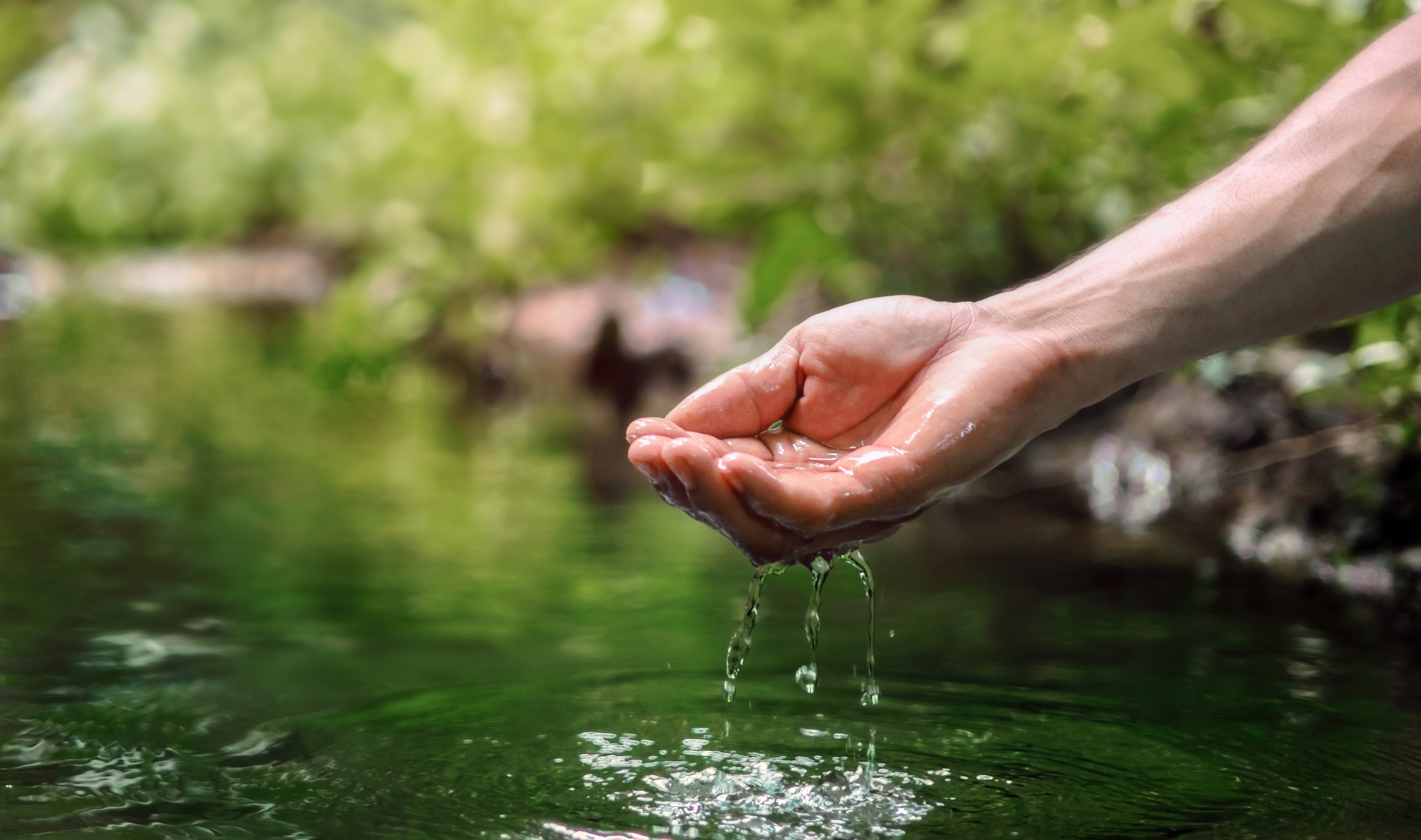
A long-term water supply is the foundation of water independence. Municipal systems can fail due to economic collapse, natural disasters, or infrastructure breakdowns. The first step to establishing a reliable water source is identifying a dependable primary water source, such as a well, natural spring, or a nearby water body like a river or lake. If you don’t know what water sources are nearby, get out a map and see what’s around you. Visit different locations to see what is easily accessible and what is more challenging. For example, I have a lake near my house, but I would have to go through people’s yards to get to it. That could be dangerous in a survival situation, so I have to find a safer (possibly more public) access point.
Drilling a well provides the most sustainable access to groundwater, but it requires an initial investment. Professional drilling services ensure deeper access to cleaner water, but those with the necessary equipment and knowledge can drill their own wells. If a well is not an option, purchasing property with an existing spring or developing access to a nearby river can provide an alternative supply. However, surface water must always be treated before consumption.
Rainwater harvesting is another reliable option, particularly in regions with adequate rainfall. A properly designed system can collect thousands of gallons annually. Positioning gutters and downspouts to funnel rain into large, food-grade storage tanks maximizes collection efficiency. Ensuring that collection surfaces remain clean and free from contaminants helps maintain water quality. Oddly, collection of rainwater is illegal in some areas of the U.S., so make sure you know what you’re doing.
Water Purification and Filtration Methods
Even the purest-looking water may contain harmful pathogens or chemicals. Proper purification ensures safe drinking water. Boiling is one of the oldest and simplest methods to eliminate bacteria, viruses, and parasites. Bringing water to a rolling boil for at least one minute (three minutes at higher altitudes) ensures safety.
Filtration is a necessary step, especially when dealing with surface water. Gravity-fed ceramic filters and activated carbon filters remove sediment, bacteria, and many chemicals. Berkey and similar systems are effective options for home use. Portable water filters, such as Sawyer and LifeStraw, are useful for emergency or outdoor situations.
For long-term purification, solar distillation offers a sustainable, low-tech solution. A simple solar still uses the sun’s heat to evaporate water, leaving contaminants behind and condensing pure water into a separate container. Reverse osmosis systems provide the most thorough purification, removing heavy metals, chemicals, and pathogens, but they require a pressurized system and a reliable power source.
Chemical treatment methods, such as iodine and chlorine, are effective in killing pathogens but should be used in moderation to avoid health risks. Storing unscented household bleach and learning the correct dilution ratios ensures access to safe emergency disinfection.
I watched a few YouTube videos over the weekend on water and I thought this one was particularly interesting. While it’s not practical for a large amount of water for a family, I really enjoyed learning about the possibilities, so I wanted to share it with you here.
Storing Water for Long-Term Use
A reliable water independence plan includes adequate storage. Stored water should be kept in food-grade, BPA-free containers, and ideally, in multiple locations to prevent complete loss in case of contamination or damage. Large underground cisterns provide the most effective long-term storage, shielding water from temperature fluctuations and light exposure that can promote algae growth, though that may not be very practical if you’re living in a city.
For household storage, rotating water supplies every six months maintains freshness. Labeling containers with dates and using the first-in, first-out method ensures that stored water remains usable. Water preservation tablets or small amounts of bleach can extend storage longevity by preventing bacterial growth.
Emergency water storage should be portable. Collapsible water containers and durable jerry cans enable quick transport in case of evacuation. Personal hydration options, such as bottled water and hydration bladders, add redundancy to a comprehensive storage plan.
Here is another video that I found helpful. It discusses various ways of storing water and you’ll find that there are options no matter where you live.
Off-Grid Water Pumping Solutions
Securing a reliable way to extract stored or naturally available water is essential. Manual hand pumps, such as the Simple Pump or Bison Pump, allow well access without electricity. These pumps are easy to install and maintain, making them ideal for long-term preparedness. I also really enjoyed the video I found on installing the Excelsior hand pump, but it is NOT cheap. Of course, once you get all the parts for a regular hand pump, it could be an affordable option, so do your research and decide the bast option for your situation and budget.
Solar-powered pumps provide another viable solution, especially in areas with high sun exposure. These systems harness solar energy to pump water from wells or reservoirs, eliminating dependence on municipal power grids. Having a backup system, such as a mechanical pump, ensures continued functionality during prolonged cloudy periods.
Gravity-fed water systems offer a low-maintenance alternative. By situating a water source at a higher elevation and using pipes or hoses to direct water downward, gravity pressure naturally moves water where needed without external energy input. This is probably the most affordable option, but again, do your research. Personally, I’d like to get the Excelsior, but it will be some time before my budget allows for it.
Alternative Water Sourcing Methods
In extreme situations, unconventional water sources become crucial. Atmospheric water generators extract moisture from the air, condensing it into drinkable water. Although initially costly, they provide an excellent long-term water solution in humid climates.
Dew collection is another technique suited for arid environments. Simple structures such as mesh nets or plastic sheets can collect dew overnight, directing water into storage containers. While this method yields smaller quantities, it can be a lifesaving supplement in emergency situations.
Desalination enables access to ocean water. Small-scale portable desalination units can turn seawater into fresh water, but they require significant energy input. For those living near coastal regions, developing a reliable desalination setup can be a game-changing solution.
Water Conservation Strategies for Sustainability
Ensuring a steady water supply also involves responsible usage. Efficient water management reduces waste and extends available resources. Low-flow fixtures, such as aerated faucets and water-efficient toilets, cut down daily consumption.
Recycling greywater for irrigation reduces reliance on fresh water. Simple greywater systems redirect lightly used water from sinks, showers, and washing machines to gardens or trees. Care must be taken to use biodegradable soaps and detergents to prevent soil contamination, but it’s still important to keep in mind if you are building a sustainable food system.
Mulching and soil amendment techniques improve water retention in gardens, reducing the need for frequent watering. Selecting drought-resistant crops, such as sweet potatoes, beans, and millet, further decreases water demands.
Community and Mutual Aid for Water Security
No one can fully ensure water security alone. Developing relationships with neighbors and local communities strengthens preparedness. Forming water-sharing agreements with trusted individuals creates redundancy in case of shortages.
Establishing community rainwater harvesting systems benefits entire neighborhoods. Localized water cooperatives can invest in shared wells, filtration systems, and emergency distribution networks. Additionally, participating in local preparedness groups ensures access to collective knowledge and additional resources during crises.
By implementing multiple water sourcing, purification, storage, and conservation methods, true water independence becomes achievable. These strategies protect against infrastructure failures, natural disasters, and economic disruptions, ensuring a reliable and self-sufficient water supply.
 The Practical Homestead