A well-stocked home medical kit is the foundation of health preparedness. In an emergency or survival situation, you may not have access to medical care. And even if you are careful, accidents happen. By ensuring that you have basic medical supplies, and gaining the knowledge of how to properly use them, you not only make yourself more self-sufficient, but you improve your odds of surviving a disaster.
According to many experts, in comparison to other developed nations, the American healthcare system faces a complex and multifaceted crisis, characterized by high costs, limited access, and poor quality of care. That’s a huge reason to learn basic first aid, as well as other methods of health management such as herbalism.
In my opinion, people rely on doctors far more than necessary. I’m always surprised to see people taking their kids to the doctor for a cold. Many common illnesses and minor injuries can be easily managed at home, and we, as a society, need to learn how to do that again.
Build Your Kit
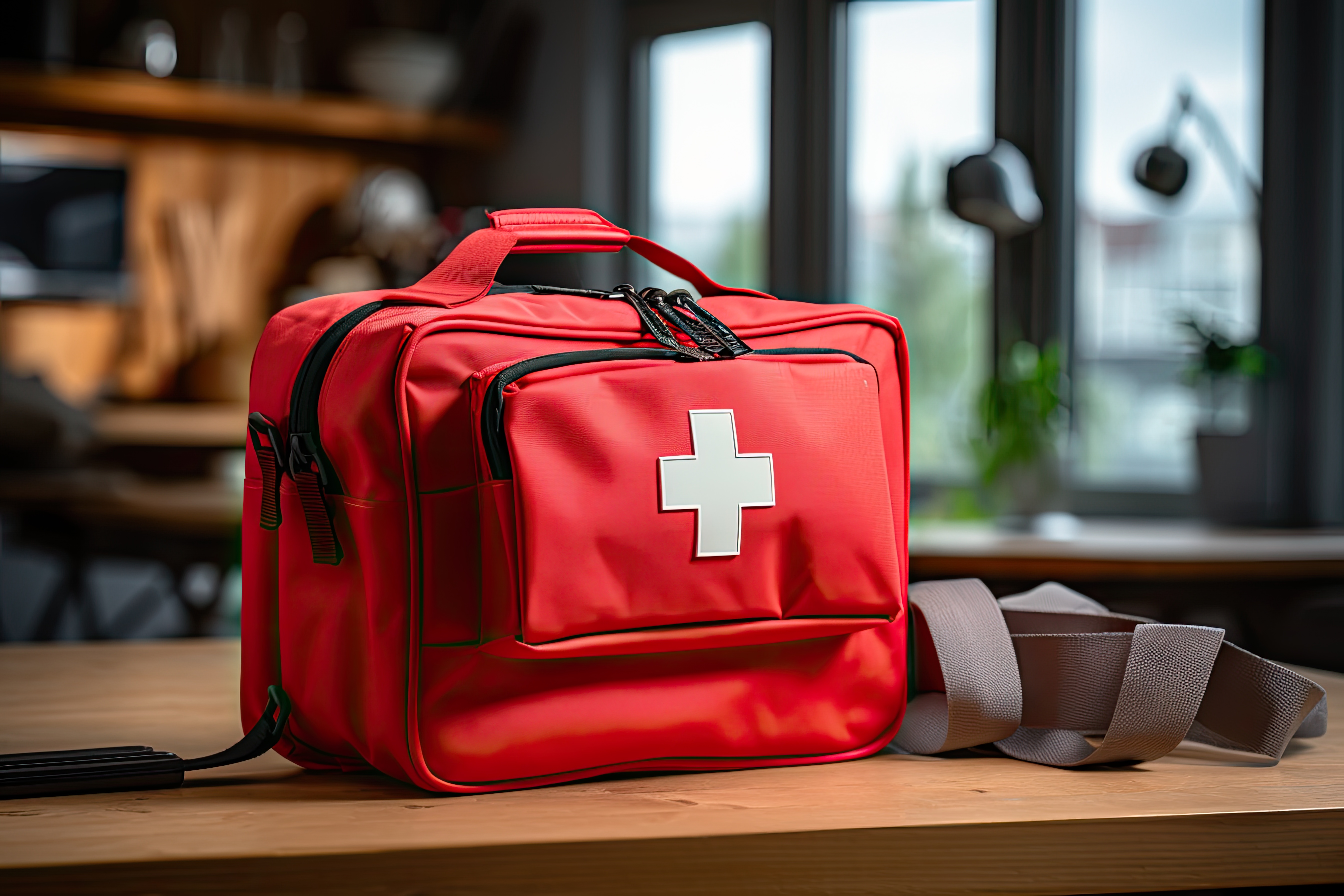
Start by ensuring you have basic first aid supplies, including bandages, antiseptics, gauze, adhesive tape, and sterile gloves. These items allow you to treat minor wounds and prevent infections. Including a variety of over-the-counter medications such as pain relievers, antihistamines, anti-diarrheal drugs, and fever reducers is essential for managing common ailments without immediate access to medical professionals.
Prescription medications should also be factored into your preparedness plan. If you or a family member rely on prescription drugs, work with your doctor to obtain extra supplies whenever possible. Proper storage, such as keeping medications in a cool, dry place and checking expiration dates regularly, ensures their efficacy. Investing in antibiotics and learning their proper use can be a lifesaving step in prolonged emergency situations where medical access is limited. This is a big one because so many people use way too many antibiotics. This can not only be wasteful because viruses don’t respond to antibiotics, but it can also make a problem worse by creating antibiotic-resistant bacteria.
Learning Basic and Advanced Medical Skills
Possessing the right medical supplies is only useful if you know how to use them effectively. Learning basic first aid skills, including wound care, CPR, and how to handle burns or fractures, is critical for emergencies. Taking certified first aid and CPR courses offered by organizations like the Red Cross can significantly enhance your ability to respond in crisis situations.
For those who want to go beyond basic first aid, consider training in more advanced medical procedures. Learning how to suture wounds, manage dehydration through IV administration, and recognize signs of serious illnesses can make a significant difference in survival situations. Often a wilderness first aid class will go more in-depth on these types of topics. These courses can range from a couple of hundred dollar to a couple thousand, but when you consider the cost of basic health care (even with insurance) this is still a good investment. And it could save a life. There are several reputable places that offer this kind of training including Wilderness Medical Associates International, NOLS, and American Red Cross. I haven’t been able to take one yet, so I can’t recommend one over another. Do your research.
Resources such as medical textbooks, online courses, and hands-on training with medical professionals can help deepen your knowledge. Some of the best books to have on hand include The Ultimate Survival Medicine Guide, The Survival Medicine Handbook, and many more.
Herbal Medicine and Natural Remedies
In situations where pharmaceutical medications may not be available, understanding herbal medicine can be invaluable. Many common plants have powerful medicinal properties that can treat a variety of conditions. For instance, garlic has natural antibiotic properties, while ginger is effective for nausea and digestion issues. Learning how to identify, grow, and properly use medicinal herbs provides an alternative healthcare option in times of need.
Creating a home apothecary stocked with essential herbal remedies ensures long-term sustainability. Herbal tinctures, teas, and poultices can be made from plants such as echinacea, chamomile, and peppermint to support immune health, reduce inflammation, and alleviate pain. Having reference materials on herbal medicine and working with local herbalists can further strengthen your knowledge and confidence in using natural treatments.
I’ve been an herbalist for over 30 years. My hope is to do a series on this topic very soon, so stay tuned!
Preventative Healthcare and Physical Preparedness
One of my biggest fears is being a drain on others, which makes survival difficult. After going through our bug-out-bags this past weekend, I joked that I would have to start working out if I expect to bug out further than the end of my driveway. I was being silly, but it brings to mind the importance of maintaining your health. If you can’t do it for yourself, do it for your family members who might struggle to care for themselves and you in a survival situation.
Stop smoking because cigarettes impact your lung capacity and stamina. Cut back on, on quit drinking because alcohol impairs muscle recovery, increasing your chance of injury. It can also cause weight gain, which makes it difficult to engage in physical activity, and it can increase your chance of developing dementia. Imagine not being able to remember simple things in an emergency, or worse, imagine having to care for someone with dementia in this kind of situation. It’s not easy.
One of the most effective ways to prepare for medical emergencies is to prevent them from occurring in the first place. Maintaining a healthy lifestyle through proper nutrition, regular exercise, and adequate sleep strengthens the immune system and reduces the likelihood of illness. Prioritizing a diet rich in whole foods, including fresh fruits, vegetables, and high-quality proteins, ensures that your body gets the necessary nutrients for optimal function. If you grow a lot of your food and avoid processed foods, this part should be pretty easy.
Regular exercise, including cardiovascular activities and strength training, enhances overall resilience. Being in good physical shape improves endurance, reduces the risk of injury, and makes recovery from illnesses and injuries faster. Developing a personalized fitness plan that includes stretching, mobility exercises, and weight-bearing activities can help prepare your body for physically demanding survival situations.
Managing Mental Health and Stress in Crisis Situations
Medical preparedness isn’t just about physical health—it also involves mental well-being. High-stress situations can lead to anxiety, depression, and impaired decision-making. Developing mental resilience through meditation, mindfulness, and breathing exercises helps manage stress effectively.
While meditation won’t change the stressful situation, it does make it easier to deal with the stress. Meditation and mindfulness practices make your mind more resilient, which is critical in any emergency or survival situation.
Building strong relationships and maintaining social connections can also provide essential emotional support during crises. Engaging in activities that promote relaxation, such as journaling, reading, or spending time in nature, contributes to mental stability. Having a plan for managing mental health needs, including access to therapy or self-help resources, is crucial in long-term survival scenarios.
Establishing a Sanitation and Hygiene Plan
Good hygiene is essential for preventing disease, especially in emergency situations where clean water and sanitation facilities may be compromised. Stocking up on essential hygiene supplies such as soap, toothpaste, disinfectants, and feminine hygiene products ensures that you can maintain cleanliness even in difficult circumstances. Make sure you have these things in your bug-out-bag as well.
Creating a backup sanitation system, such as composting toilets or portable waste disposal solutions, helps manage waste when plumbing is unavailable. Proper handwashing practices and waste disposal methods reduce the risk of infections and gastrointestinal illnesses, which can quickly become life-threatening in a crisis.
Securing Medical Knowledge and Resources
Having medical reference materials on hand is crucial for making informed healthcare decisions. As discussed above, books such as Where There Is No Doctor and The Survival Medicine Handbook provide guidance on handling medical issues without professional help. Digital copies of medical guides and instructional videos can also be valuable resources, provided you have a way to access them without internet connectivity. Being a book nerd myself, I prefer hard copies, but depending on your situation, it may not be practical to carry books around.
Networking with medical professionals in your community and seeking mentorship or training from them can enhance your medical preparedness. Establishing relationships with local doctors, nurses, or paramedics ensures you have access to expert advice and potential assistance in emergencies.
Creating a Long-Term Medical Preparedness Plan
A comprehensive medical preparedness plan should cover both short-term emergencies and long-term survival situations. Assessing the specific health needs of your household, including chronic conditions, allergies, and age-related concerns, allows for better planning. Creating a rotating stockpile of medical supplies, and regularly reviewing and updating your medical plan ensures continued readiness.
Incorporating medical preparedness into your overall emergency plan allows for seamless integration with other survival strategies. By combining knowledge, skills, and resources, you can create a well-rounded approach to maintaining health and managing medical emergencies effectively.
 The Practical Homestead