The best prepared people are those who are able to fortify their homes against threats. A well-secured home is the first line of defense in times of uncertainty. Ensuring that entry points are reinforced is crucial to deterring potential intruders. Beyond basic home security, it’s critical to know how to defend yourself against intruders and assailants.
Home and Personal Security Measures
Start by upgrading doors and windows to impact-resistant materials. Solid core or metal doors with reinforced strike plates and deadbolt locks make it significantly harder for intruders to force their way inside. Windows should be upgraded with security film, which prevents shattering, or with polycarbonate panels that offer impact resistance.
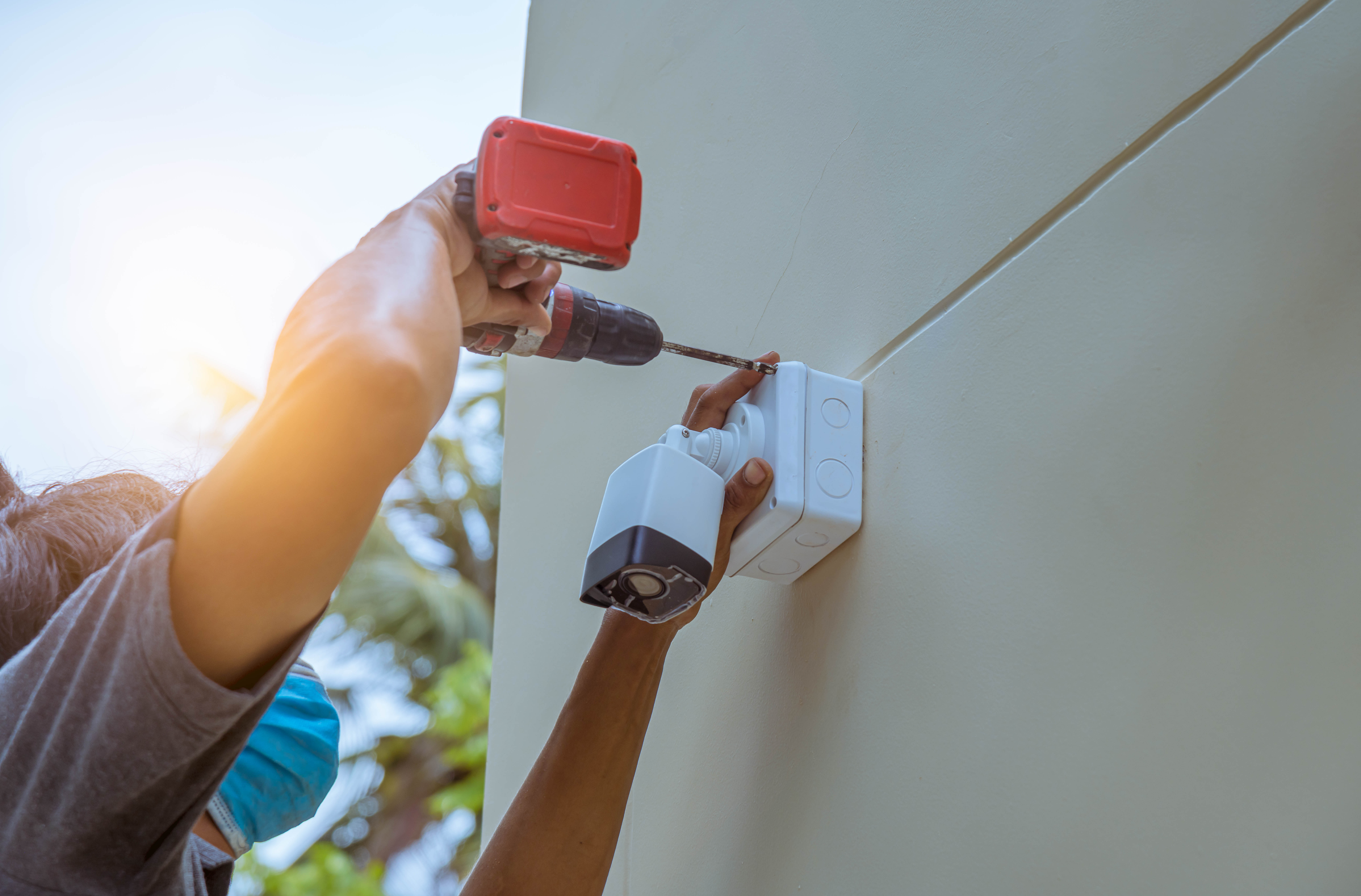
Installing motion-activated exterior lighting around your property increases visibility and discourages nighttime trespassers. Security cameras positioned at key entry points provide real-time surveillance and evidence collection if needed. Investing in a monitored alarm system or DIY security setups, such as smart sensors and loud deterrent alarms, adds another layer of protection. You can also get security cameras that are solar or battery powered, to work if you are off-grid or without power.
Creating a Layered Defense System
A layered security approach ensures multiple deterrents against intrusion. The first layer includes visible deterrents such as security signage, fences, and thorny landscaping around windows and pathways. A sturdy perimeter fence, preferably with a locked gate, creates an additional obstacle for intruders.
The second layer of defense consists of mechanical barriers such as reinforced doors, window locks, and security bars. Inside the home, consider installing internal locks on bedroom doors and safes for securing valuables. Having a safe room with reinforced walls and an independent communication system provides an extra layer of safety during emergencies.
Self-Defense Training and Weapon Options
Being prepared for personal defense ensures that you can protect yourself and your family if an intrusion occurs. Learning self-defense techniques, such as Krav Maga, jiu-jitsu, or boxing, builds confidence and practical skills for real-world confrontations. You can even take personal defense classes which may involve types of martial arts or handgun training, depending on the classes you choose. Additionally, if you are unable to unwilling to carry a firearm, carrying non-lethal weapons, such as pepper spray or stun guns, provides immediate defensive options.
For those comfortable with firearms, proper training and legal compliance are essential. Enrolling in firearms safety courses and practicing regularly at a shooting range enhances proficiency. Keeping firearms secured yet accessible ensures that they are available in an emergency but remain out of reach from unauthorized individuals.
Establishing a Community Security Network
Security is more effective when approached as a community effort. Connecting with neighbors and establishing a neighborhood watch program increases collective awareness and response capability. Sharing information about suspicious activities and coordinating patrols ensures that everyone remains vigilant.
Building relationships with local law enforcement and first responders fosters collaboration during emergencies. Participating in community preparedness drills and communication networks, such as emergency radio groups, strengthens local resilience.
Emergency Response Planning for Home Invasions
Having a well-rehearsed emergency plan ensures quick and effective action during a home invasion. Every household member should know designated safe zones within the home and how to communicate during an emergency. Practicing different response scenarios, such as sheltering in place or safely evacuating, helps reinforce the plan.
Establishing code words for family members to indicate threats discreetly enhances security. Teaching children how to lock doors, call for help, and hide effectively in dangerous situations is crucial. Keeping a charged emergency phone or radio accessible ensures reliable communication during a crisis.
Situational Awareness and Avoiding Threats
Developing situational awareness allows you to identify and react to potential threats before they escalate. Practicing the habit of scanning your surroundings in public spaces, being aware of exits, and recognizing unusual behavior improves personal security.
Avoiding predictable routines, such as always taking the same route home, reduces the risk of targeted threats. Trusting instincts and taking precautions, such as parking in well-lit areas or avoiding distractions while walking, further enhances safety. Maintaining a low profile by not displaying valuables and limiting personal information on social media minimizes potential targeting by criminals.
Securing Digital and Cyber Security Measures
Physical security extends beyond the home into the digital space. Cyber threats, including identity theft and hacking, can compromise financial and personal security. Implementing strong passwords, enabling two-factor authentication, and using secure networks help protect sensitive information.
Encrypting important documents and backing up data ensures critical information remains accessible even in the event of a cyberattack. Using a virtual private network (VPN) while browsing adds an extra layer of security. Remaining cautious of phishing attempts and fraudulent schemes prevents falling victim to online threats.
Defensive Driving and Travel Security
Staying secure while traveling requires a combination of preparation and awareness. Keeping vehicle doors locked, windows rolled up, and avoiding isolated areas minimizes risks. Maintaining an emergency kit in the car with essentials such as a first aid kit, flashlight, and non-perishable food ensures readiness for unexpected situations.
When traveling long distances, planning routes in advance and identifying safe stops along the way reduces uncertainty. Avoiding revealing travel plans on social media and maintaining awareness of surroundings at gas stations and rest stops helps prevent potential threats.
Integrating Security into Daily Life
Security should become a natural part of daily routines. You don’t need to be paranoid, but you should always be aware of your surroundings. Performing routine checks on locks, alarms, and surveillance systems ensures they remain functional. Reinforcing good habits, such as locking doors immediately upon entering or exiting a home, minimizes vulnerabilities.
Remaining informed about local crime trends and adjusting security measures accordingly provides proactive protection. Prioritizing self-reliance by maintaining emergency supplies, including food, water, and medical provisions, ensures preparedness for a variety of security-related challenges.
By integrating multiple layers of security, developing awareness, and establishing response plans, home and personal security measures can significantly enhance safety and preparedness in any situation.
 The Practical Homestead