When we think of preparedness, we usually picture stockpiles of food, batteries, or emergency radios – but what happens when there’s no water to flush the toilet, trash pickup is a distant memory, and your hands haven’t touched soap in three days?
It’s not glamorous, but sanitation and hygiene can mean the difference between surviving and getting seriously sick in a disaster. Disease outbreaks often follow crises, not because of injuries, but because people couldn’t stay clean.
This week, we’re taking a critical (and slightly gritty) look at how to stay healthy when the comforts of plumbing and trash service vanish. Let’s get into it.
Why Sanitation Matters More Than You Think
Without clean water, functioning toilets, or a way to dispose of waste, diseases like dysentery, cholera, or even simple skin infections can spread rapidly. These aren’t just problems in faraway places; they’re real risks during power outages, earthquakes, and long-term emergencies right here at home.
If you’ve ever camped without running water, you know how fast things get grimy. Now imagine it lasting weeks.
The Magic of Bleach (and How Not to Poison Yourself)
Plain, unscented household bleach is one of the most powerful tools in your emergency kit, but only if you know how to use it safely.
To Disinfect Surfaces:
– Mix 1 tablespoon of bleach per gallon of water
– Use to sanitize countertops, tools, toilet seats, etc.
– Make it fresh each day – bleach breaks down quickly
To Purify Water:
– Add 8 drops of bleach per gallon of clear water (16 drops if it’s cloudy)
– Let it sit for 30 minutes before using
– It should have a faint chlorine smell. If not, repeat the process
⚠️ NEVER mix bleach with ammonia, vinegar, or other cleaners. You don’t want to prep yourself right into a toxic gas cloud.
When the Toilet Stops Flushing: The Bucket Brigade
Let’s be real: when the power and water go out, your toilet becomes a fancy porcelain sculpture. You need a back-up bathroom plan – ideally before things start to smell.
Emergency Toilet Option: The Luggable Loo
– 5-gallon bucket + toilet seat lid or pool noodle
– Line with heavy-duty trash bag
– Add absorbent material between uses: sawdust, kitty litter, shredded paper
– Cover waste after each use, tie bag shut when full, and store securely until it can be disposed of properly
Tip: You can bury waste in a cat hole at least six to eight inches deep and 200 feet from water sources—but only if local regulations and conditions allow.
Handwashing When There’s No Tap
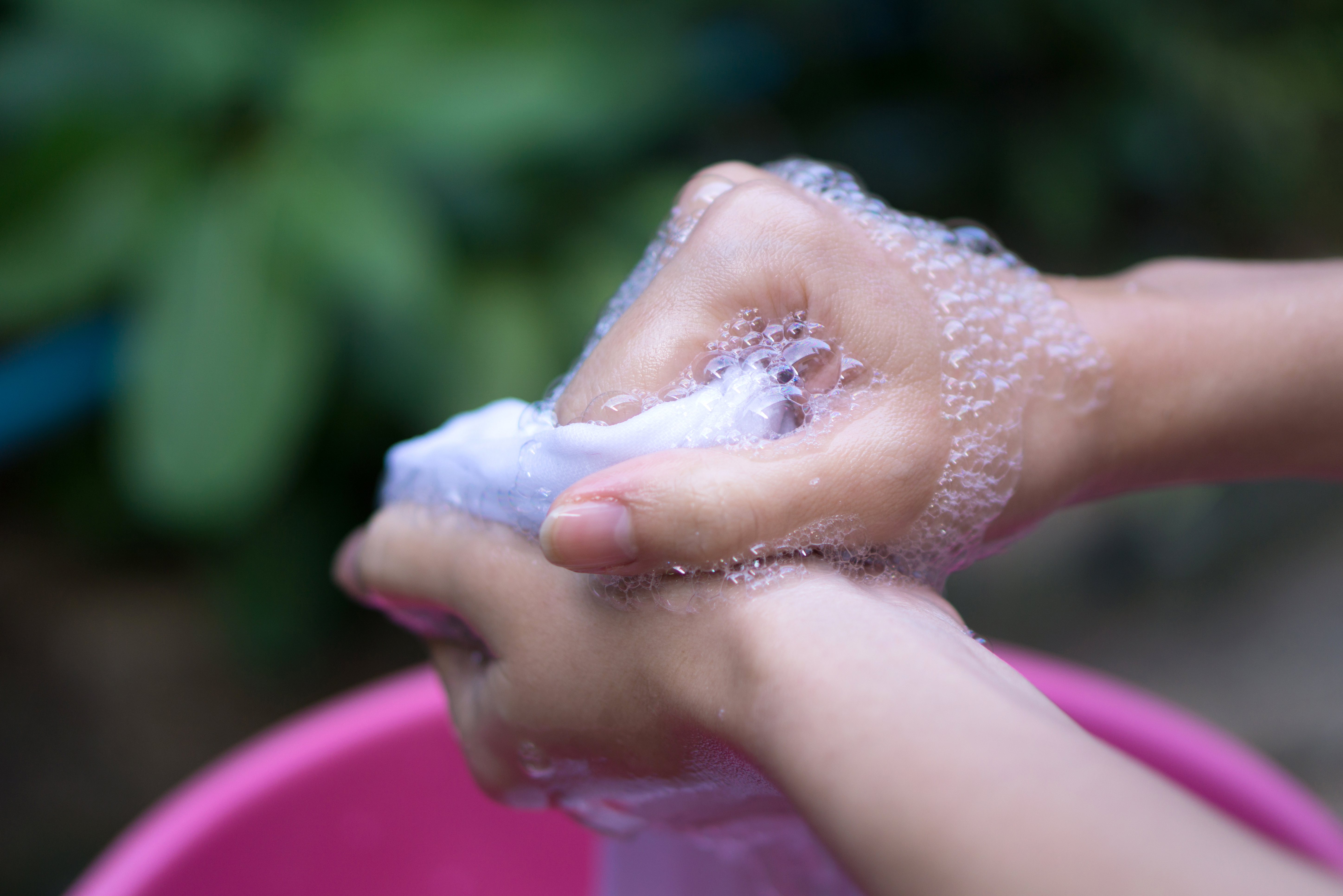
Forget hand sanitizer. Soap and water are your best defense against illness.
DIY Hand Washing Station:
– Use a clean 1–2 gallon water container with a spigot
– Place a bucket underneath to catch gray water
– Mount soap nearby with a mesh bag or string
Focus on handwashing:
– After using the toilet
– Before preparing or eating food
– After handling pets or garbage
– After touching your face, wounds, or other people
Clean Dishes, No Sink Required
Unsanitary dishes can make you just as sick as dirty hands. The two-basin wash method is your new best friend.
1. Wash: Hot soapy water (use boiled water if necessary)
2. Sanitize: 1 tablespoon bleach per gallon of clean water
3. Let dishes air dry – no towel needed
Managing Trash Without Weekly Pickup
In a long-term emergency, garbage becomes a health hazard—and a raccoon magnet.
– Store food waste in sealed plastic bags or containers with lids or compost vegetable waste
– Use heavy-duty garbage bags for hygiene-related waste
– Bury biodegradable waste if you’re rural and can do so safely or build a “humanure” composter
– Hang trash off the ground or fence line to deter animals until you can burn, bury, or haul it out
Hygiene When You Can’t Shower
No one’s judging your three-day hair situation – but your armpits, undercarriage, and hands? They need attention.
Hygiene hacks:
– Sponge baths with boiled-and-cooled water or baby wipes
– Use baking soda for odor control and dry brushing
– Keep menstrual supplies, toothbrushes, and soap in a separate hygiene kit
– Herbal rinses like calendula or rosemary can help cleanse minor wounds or irritated skin naturally
Week 9 Action Steps
1. Build an Off-Grid Sanitation Station
2. Learn to Purify Water with Bleach
3. Assemble a Hygiene Grab & Go Kit
4. Create a Waste Management Plan
5. Stock Up on Disposables Thoughtfully
Download my free Off Grid Sanitation Cheat Sheet!
Week 9 Shopping List
– 1 gallon of water (per person)
– 1 can of ready-to-eat soup (not concentrate)
– Liquid dish soap
– 1 quart plain, unscented liquid bleach
– 1 box heavy-duty garbage bags
– Large plastic food bags
– 3 rolls of paper towels
– Optional: saline/contact solution, baby wipes, feminine hygiene supplies
Final Thoughts
Cleanliness is more than comfort in an emergency. It’s a line of defense between your family and disease. Sanitation isn’t sexy, but it’s survival. Take the time this week to get real about what you’d do when the toilets stop flushing and the trash piles up.
It’s not fear. It’s preparation. And it’s one more step toward being the calm, capable force your family needs when things go sideways.
 The Practical Homestead