Disasters don’t just threaten your safety and comfort – they can also separate you from your most essential records and the ability to prove who you are, what you own, and what you’re owed. In the wake of a wildfire, flood, earthquake, or other large-scale event, many survivors find themselves without access to insurance, medical care, or even basic supplies, not because those things are unavailable, but because the systems that connect them are overwhelmed, or they simply can’t verify their identity.
This week, we’re taking a big but manageable step toward preparing for those worst-case scenarios. You’ll gather supplies that protect critical documents, provide access to information and emergency news, and ensure that you and your pets are properly accounted for.
This Week’s Shopping List
From the hardware store or online, add these items to your cart:
- Waterproof portable plastic container (with lid) for important papers
- Portable AM/FM radio (with batteries)
- 1 flashlight (with batteries)
- Space blanket, blanket, or sleeping bag for each family member and pet
This week’s additions are less about food or first aid and more about resilience: protecting the documents and information that prove who you are and ensuring your family (human and animal) stays warm and connected when systems break down.
What Each Item Does in an Emergency Kit
Waterproof Container for Important Papers
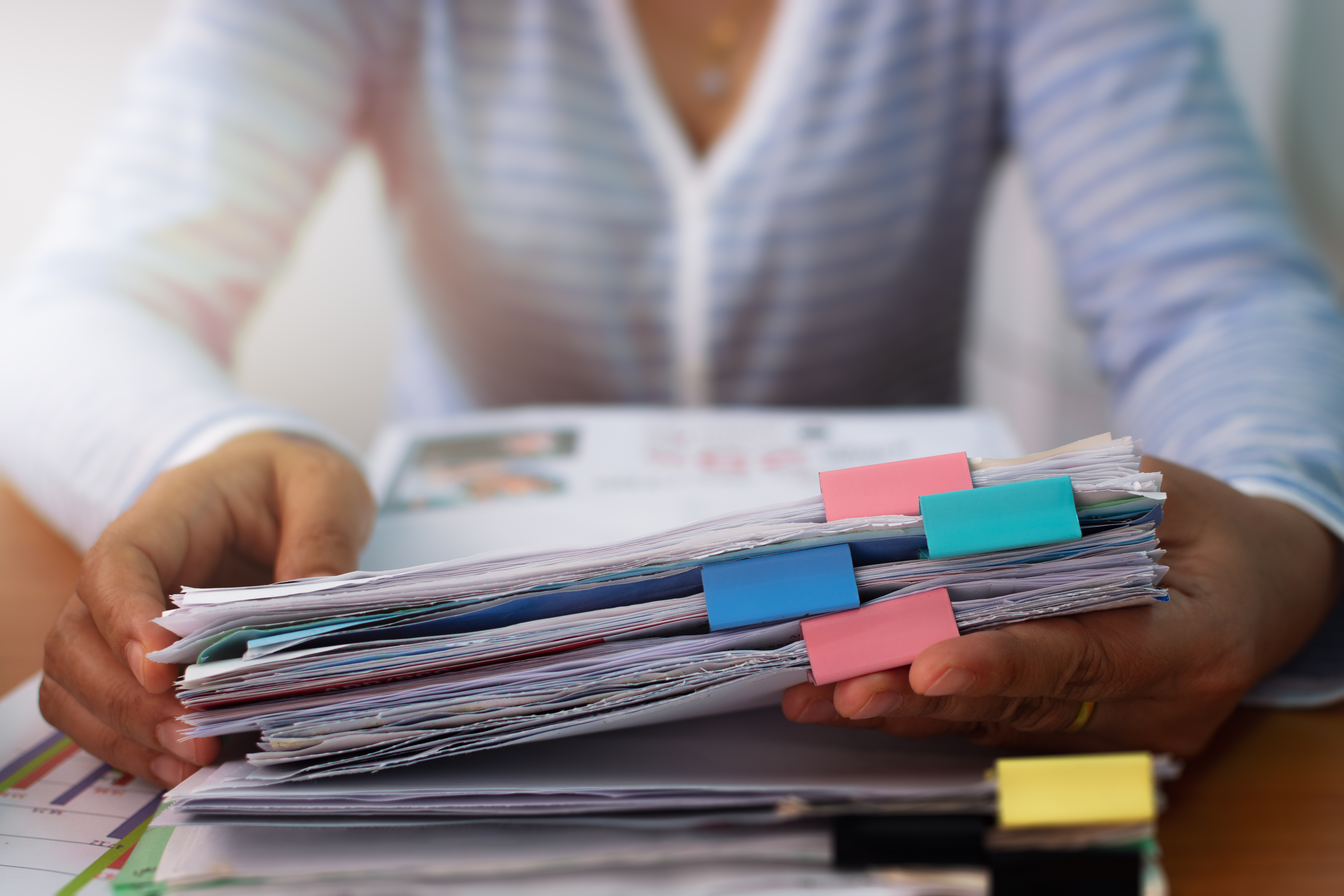
This may be the most important addition to your kit this week. In the aftermath of a disaster, many survivors struggle to access benefits, file insurance claims, or even locate loved ones simply because they’ve lost documentation.
In your waterproof container, you should store originals or copies of the following:
- Birth certificates
- Social Security cards
- Driver’s licenses or state IDs
- Health insurance cards
- Deed or rental agreements
- Medical and vaccination records
- Pet vaccination and ownership records
- Bank account and insurance information
- A recent utility bill (to prove residency)
- Emergency contact list
Also include a list of medications, a copy of your emergency plan, and a family photo that could help others identify your group if you are separated.
Keep the container in a cool, easily accessible location – preferably near your emergency kit. Check its contents every six months, updating documents as needed and rotating any items that may expire (such as temporary ID cards or insurance papers).
Portable AM/FM Radio
Cell towers may be down, internet may be unavailable, and television may be inaccessible – but emergency broadcasts still go out over AM/FM radio. A battery-powered radio is your link to the outside world when other options fail. Many emergency radios also feature built-in flashlights and can charge your devices; even a basic model provides access to vital weather alerts, evacuation notices, and survival instructions.
Look for radios labeled as ‘NOAA Weather Radio capable‘ for the most reliable coverage. Test the batteries and store extras with your emergency supplies.
Flashlight (with Batteries)
If you’ve ever had the power go out at night, you already know how disorienting total darkness can be. In a real emergency, being able to see clearly can prevent injury, allow you to evacuate safely, and help you manage tasks like reading maps, administering first aid, or signaling for help.
Every person in your household should have access to their own flashlight—ideally one that’s small enough to store under the bed or in a go-bag but bright enough to light up a room. LED flashlights are long-lasting and energy-efficient. Don’t forget to keep spare batteries nearby and check both the batteries and the flashlight’s function at least once a month.
Blanket, Space Blanket, or Sleeping Bag
Disasters often disrupt heat, shelter, and comfort. Whether you’re stuck in your car during a blizzard, huddled in a shelter, or camping out in your backyard, warmth becomes a basic survival need.
Space blankets (also called emergency blankets or Mylar blankets) are compact, lightweight, and designed to reflect body heat. They’re inexpensive and ideal for small kits, but they can tear easily and don’t provide padding or comfort. For long-term use or very cold weather, invest in a fleece blanket or compact sleeping bag that can keep each person warm overnight.
Don’t forget your pets—include an extra blanket or sleeping bag to keep them comfortable and prevent shock from cold or stress.
To Do: Protect Your Documents and Update Animal Records
This week’s action steps focus on documentation and preparedness beyond supplies. You’re going to safeguard critical papers, update your pet records, and make sure your family is ready to face a disaster with the information and identity you’ll need to recover.
Make Photocopies of Important Papers
Even if you already keep your original documents in a fireproof safe or bank deposit box, having photocopies in your emergency kit can be a lifesaver. Make legible copies of all items listed earlier (IDs, insurance, medical info, etc.), and store them in zip-top bags inside your waterproof container.
If possible, scan digital copies as well. Save them to a secure cloud service and a USB drive stored with your emergency supplies.
Update Your Pet’s Vaccination Records
In a disaster, shelters may not accept pets without proof of up-to-date vaccinations. Even if you plan to stay with your animals, a sudden trip to a veterinary ER (or a temporary foster arrangement) may require this documentation.
Contact your vet this week to ensure your pets’ vaccinations are current, and request a printed copy of their records. Keep this with your emergency documents.
If your pet isn’t microchipped, consider doing that now. In a chaotic evacuation or natural disaster, collars can slip off, but microchips offer a permanent form of identification that can help reunite you if you’re separated.
Other Tips for Week 10 Preparedness
Why Physical Copies Still Matter
In the digital age, it’s easy to assume that everything we need is stored in the cloud or on our phones. But when those systems fail, paper becomes king. Having a physical photo ID, a hard copy of your emergency contacts, or a printed insurance policy can smooth your path through emergency shelters, government aid programs, and medical systems.
Digital preparedness is important, but never rely solely on it.
Where to Store Your Documentation Container
Your waterproof document container should be:
- Easily accessible (not in an attic or basement)
- Near your emergency supplies or go-bag
- Out of direct sunlight and away from sources of moisture
- Small enough to grab quickly if you need to evacuate
You may want to create two versions: one compact version that’s part of your go-bag (just essential IDs and contacts), and one fuller version kept at home.
Test Your Gear
Take a few minutes this week to test your radio, flashlight, and any extra batteries you’ve gathered. A broken device doesn’t help in an emergency. Label your batteries with the date purchased and store them in a cool, dry location away from metal (to prevent corrosion or discharge).
If you’re using a hand-crank flashlight or radio, test the crank and understand how long it takes to power the device.
Building a Layered System of Preparedness
Week by week, your disaster kit is growing stronger—not just in size, but in usefulness. Every item you add builds a layered system of safety and support. The flashlight in Week 10 isn’t just a light source – it’s part of a plan that protects your movement, your access to supplies, and your safety in the dark. The waterproof container isn’t just a box – it’s your link to rebuilding life after disaster.
By now, you’ve begun storing water, food, hygiene supplies, first aid tools, and now critical documents and communication devices. You’re well on your way to a three-day (or longer) self-sufficiency plan.
Take time this week to talk to your family about where these items are kept and how to use them. Make sure everyone knows where the radio is, how to turn on the flashlight, and what documents are in the container. Preparedness works best when it’s shared.
 The Practical Homestead