Have you given much thought to personal hygiene during a disaster situation? If you think back to the great toilet paper shortage of 2020, you may think about it more than previous generations, but there’s more to consider than just TP. After this week’s shopping list, we’ll take a more in-depth look at the topic.
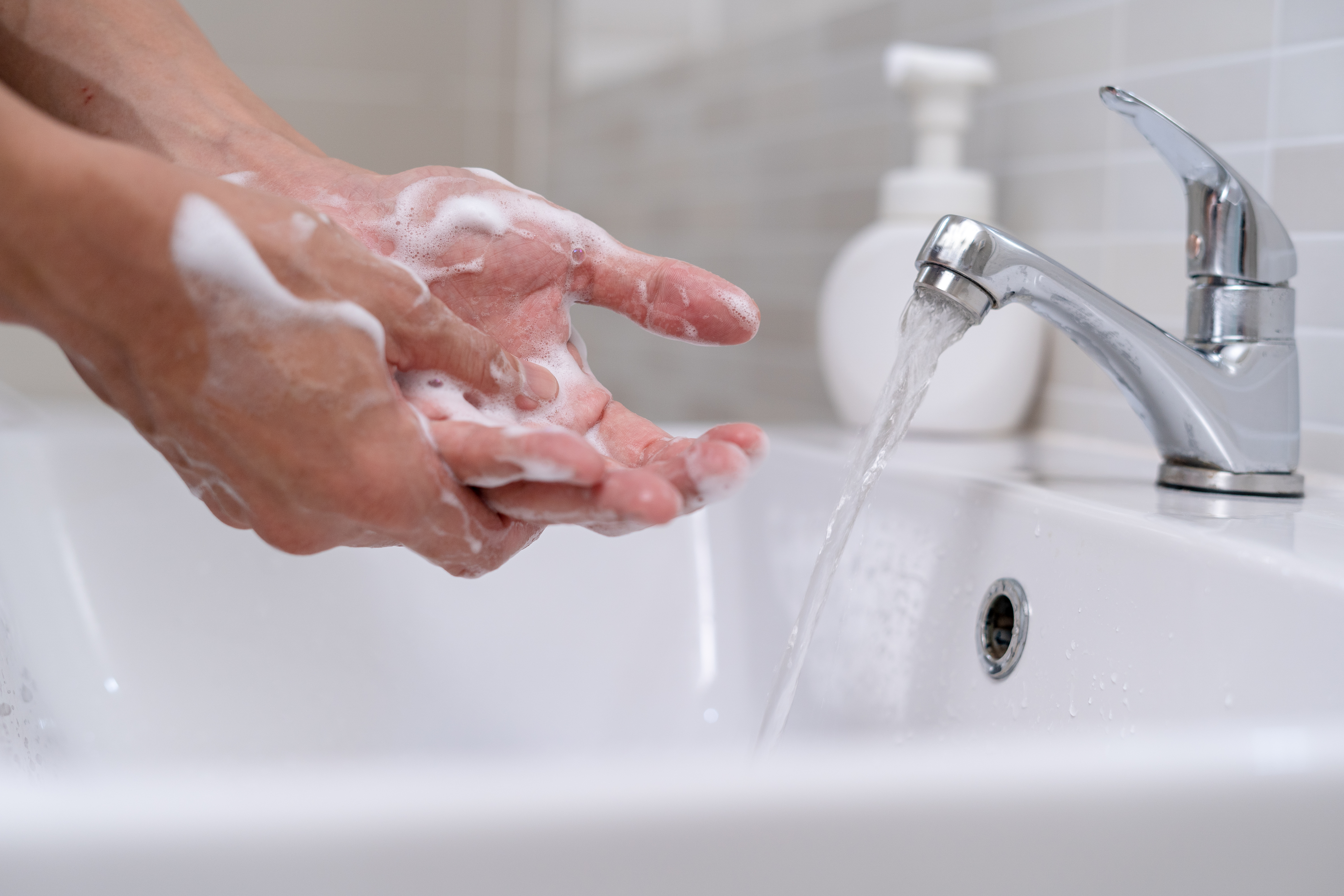
Hand washing is critical for good health and good hygiene during disaster (Source)Continue reading →
Do you know how to use a compass for survival? I’ll admit, at first, I didn’t know much about using one. Fortunately, it’s not too difficult to learn, so we’ll talk a bit about how to use one after this week’s shopping list.
A person holding a compass: Free Stock photos by Vecteezy
As a homesteader, it’s wise to build up varied and sustainable food sources for use year after year. While stockpiling food has its advantages, always having a renewable food source makes you more prepared for long-term emergencies.
Homesteading is an increasingly popular survival prep method, where people purchase large (and not so large) properties to live a more self-sufficient lifestyle. It’s not unusual for some people to go so far as to completely escape the grid, becoming self-sufficient. This has always been my goal, but it’s not for everyone and certainly not easy to achieve. But you can build a sustainable food source now, even if you haven’t created your ideal homestead.
In a survival situation, water collection is one of the most crucial skills you will need. As a rule of thumb, people can go weeks without food but only a couple of days without water. This is why reliably obtaining clean water is one of the most important aspects of any survival prepper’s plan. It may seem intimidating initially, but water collection and storage are much simpler than you think.
Do you know how to assess your preparedness for SHTF situations? Assessing your level of preparedness is a critical step in ensuring you’re truly ready for a potential crisis. From supplies and skills to mental resilience and community networks, this process involves evaluating various aspects of preparedness. Strengths and weaknesses must be identified, and a plan must be created to address them.
Welcome to week two of our Baby Steps to Preparedness series. This week, we’ll discuss some hazards to prepare for. How did you do last week? To recap, I gave you a short shopping list to start building your emergency kit. I also gave you a few action steps to take. Did you find out what hazards are common in your area? If not, I’ll give you more information to help you in this article.
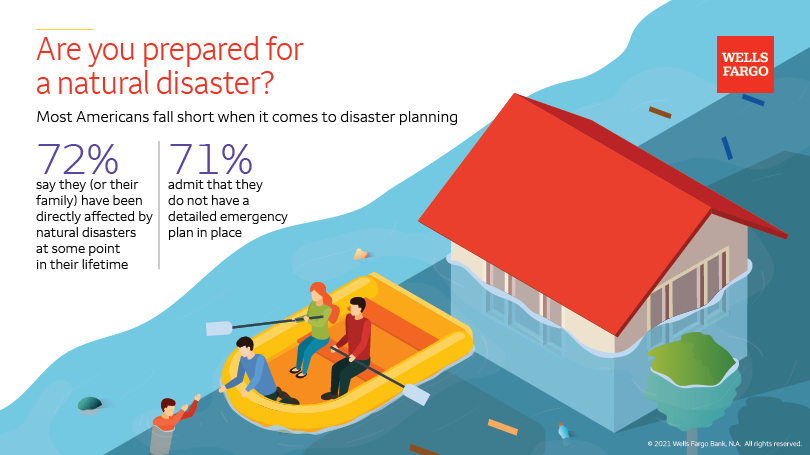
Do you have an emergency supply kit for your family in case of a disaster? Why not make it a goal for the year? According to a survey from Wells Fargo, only 46% of Americans have an emergency kit with enough supplies for everyone living in their home for several days after a disaster.
That’s less than half of the country. That’s terrifying! Especially considering that 84% of Americans live in areas that have experienced some form of natural disaster in the last few years, and 54% live in regions that have experienced severe natural disasters, such as hurricanes, tornadoes, floods, wildfires, or earthquakes.
If that’s not crazy enough, 72% say they or their families have been directly affected by natural disasters at some point in their lifetime.
Given these numbers, NOT having an emergency supply kit doesn’t make sense.
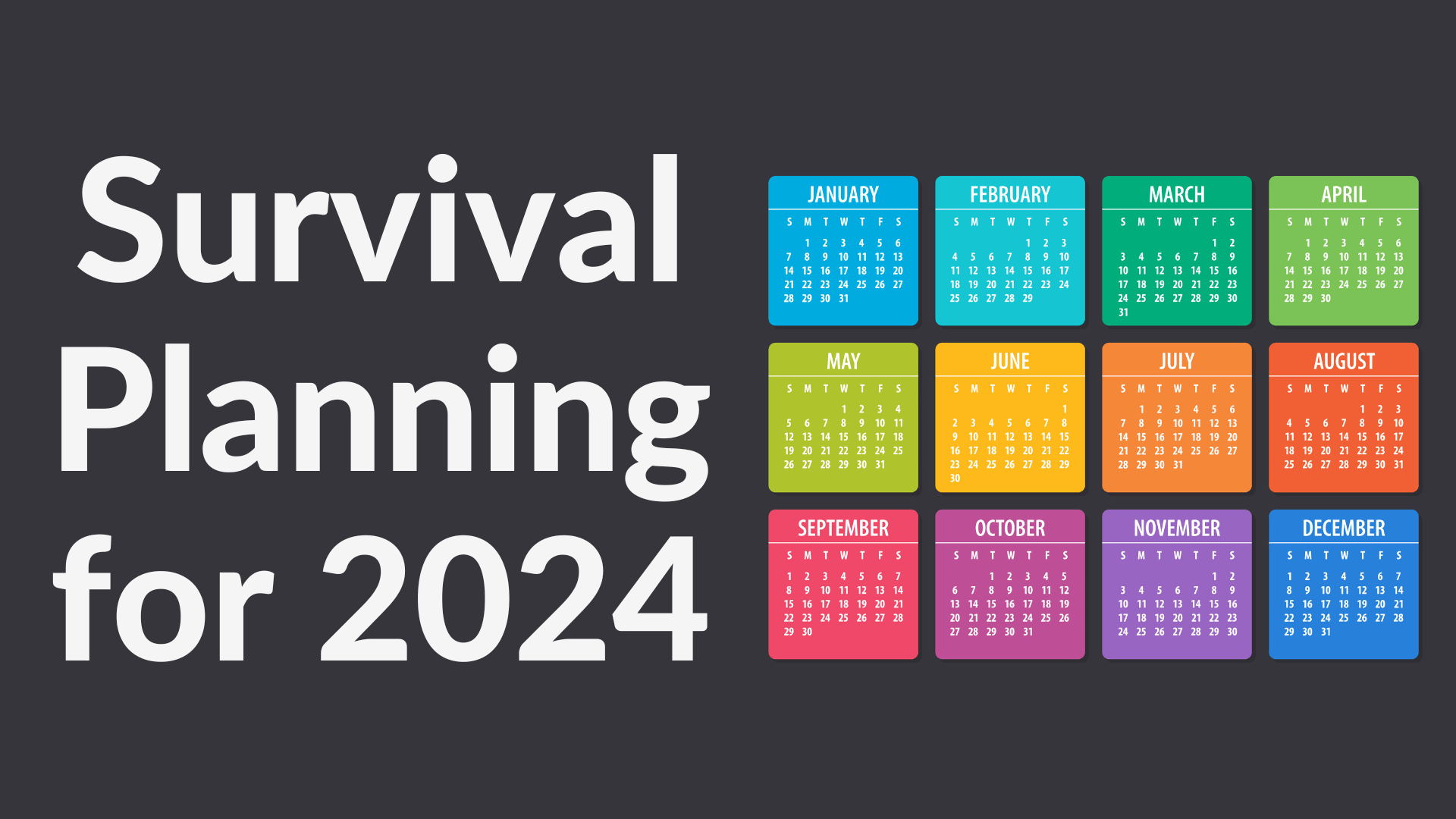
Have you started your survival planning for 2024 yet? Survival preppers always prepare for unforeseen events. To correctly anticipate what might happen, you should be aware of what is happening worldwide so you can be prepared for anything.
Having a strategy for what you will gather and prepare ahead of time is essential, but you also need to know what to watch out for. Following the news can help you prioritize your plans more effectively.
Survival preppers face new issues every year. Civil unrest might be the topic in one year, the global economy in another, or the supply chain or a pandemic in another. Having a yearly survival plan is important. However, you should also break down your planning process by month, task, and the supplies you’ll need.
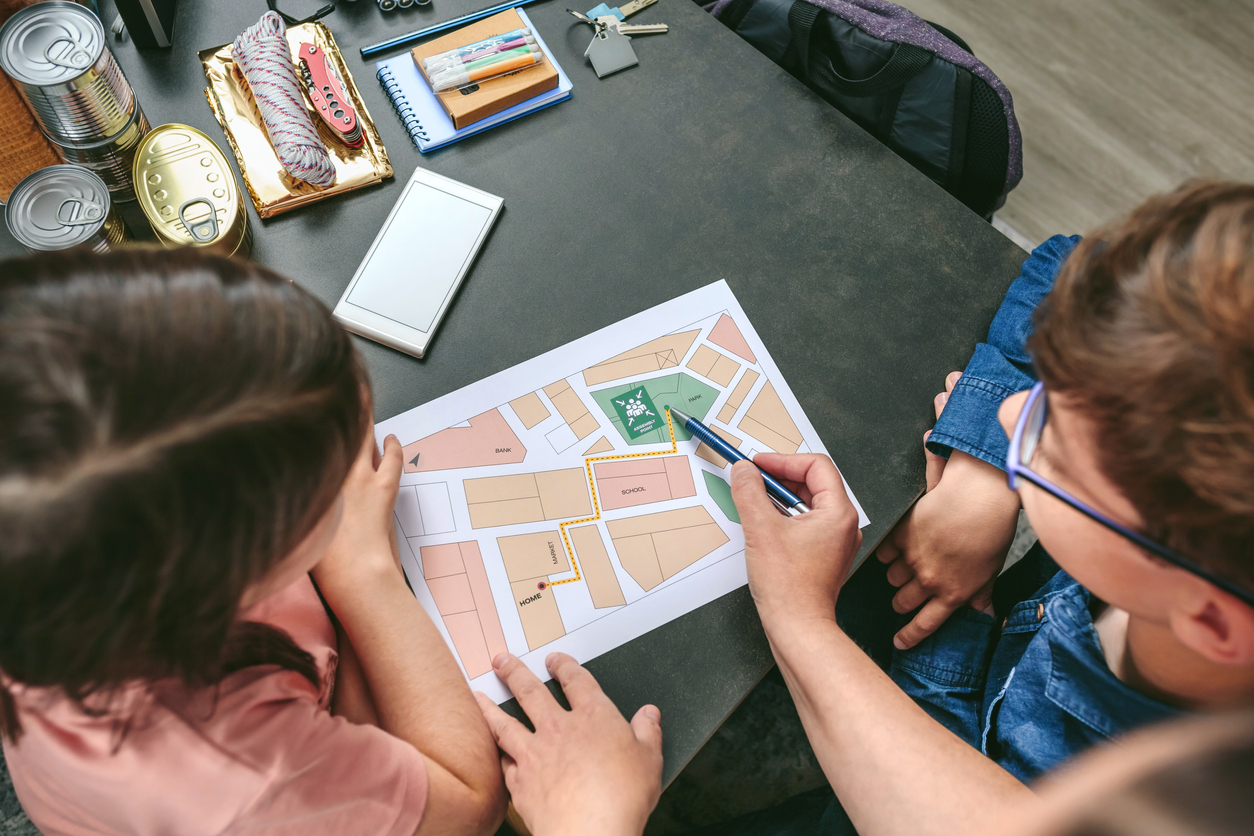
Do you have a family disaster plan? If you missed it, creating one was one of your action steps in my last article on making your own supply kit for disasters. It will take a bit of time to create a family disaster plan, and you will likely make changes as the needs of your family change. But to begin, let’s take a look at the first step.
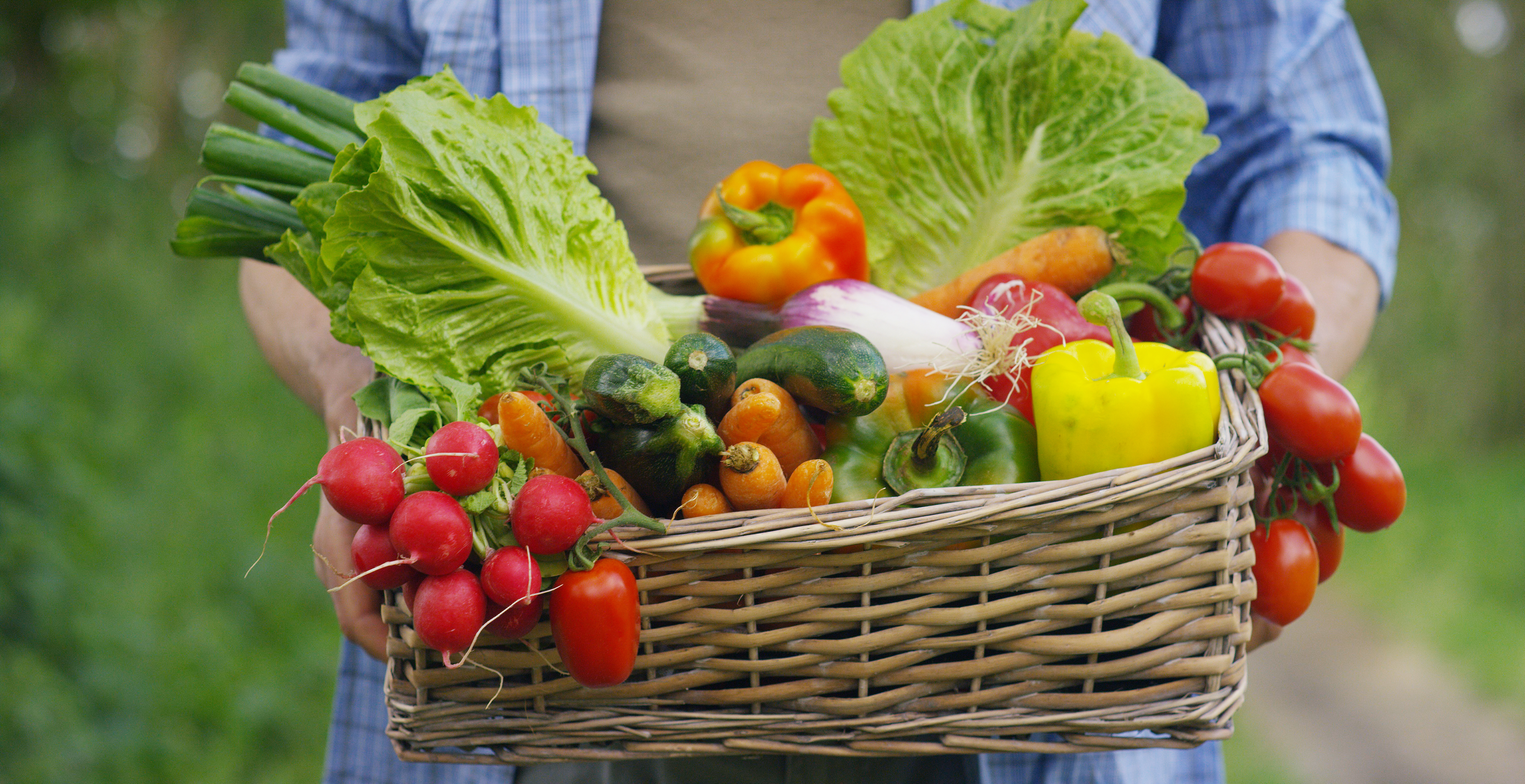
How do you like these grocery prices? If you’re like many people, you may be thinking that it’s time to start a survival garden to become more self-sufficient. There are so many benefits to growing your own food, not the least of which is avoiding crazy prices and limited availability. Let’s take a look at a few tips to help you get started.



 The Practical Homestead