Week 10: Creating a Paper Trail—Why Documentation, Pet Records, and Reliable Light Matter in a Disaster

Disasters don’t just threaten your safety and comfort – they can also separate you from your most essential records and the ability to prove who you are, what you own, and what you’re owed. In the wake of a wildfire, flood, earthquake, or other large-scale event, many survivors find themselves without access to insurance, medical care, or even basic supplies, not because those things are unavailable, but because the systems that connect them are overwhelmed, or they simply can’t verify their identity.

This week, we’re taking a big but manageable step toward preparing for those worst-case scenarios. You’ll gather supplies that protect critical documents, provide access to information and emergency news, and ensure that you and your pets are properly accounted for.

Hands of woman working with stack of paper document.
Woman Stock photos by Vecteezy
Continue reading

Week 9: Clean Enough to Survive – Emergency Sanitation & Hygiene When the Grid Goes Down

When we think of preparedness, we usually picture stockpiles of food, batteries, or emergency radios – but what happens when there’s no water to flush the toilet, trash pickup is a distant memory, and your hands haven’t touched soap in three days?

It’s not glamorous, but sanitation and hygiene can mean the difference between surviving and getting seriously sick in a disaster. Disease outbreaks often follow crises, not because of injuries, but because people couldn’t stay clean.

This week, we’re taking a critical (and slightly gritty) look at how to stay healthy when the comforts of plumbing and trash service vanish. Let’s get into it.

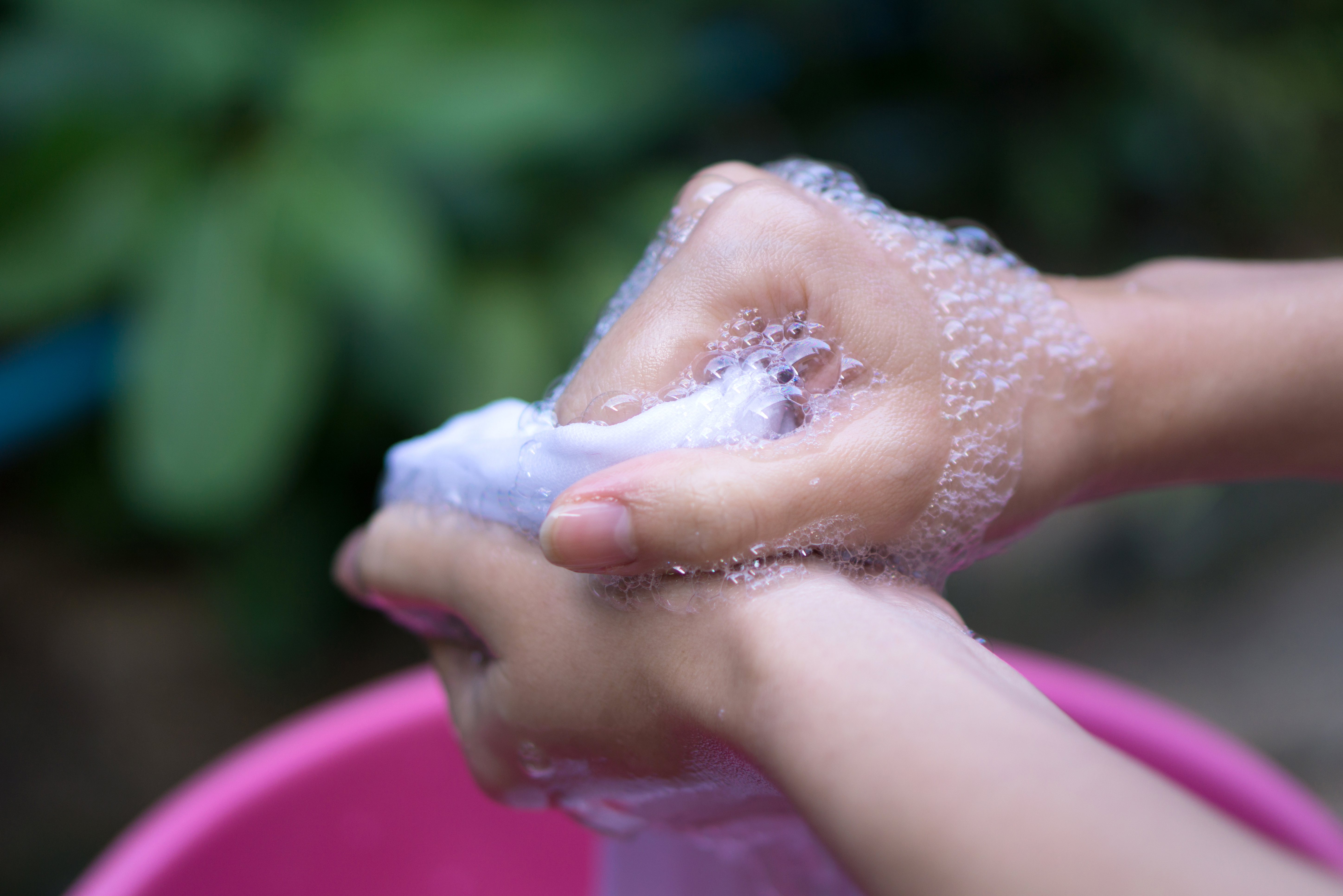
Hand washing clothes in a bucket
Hand Stock photos by Vecteezy
Continue reading

Building a Comprehensive Home Medical Kit

A well-stocked home medical kit is the foundation of health preparedness. In an emergency or survival situation, you may not have access to medical care. And even if you are careful, accidents happen. By ensuring that you have basic medical supplies, and gaining the knowledge of how to properly use them, you not only make yourself more self-sufficient, but you improve your odds of surviving a disaster.

According to many experts, in comparison to other developed nations, the American healthcare system faces a complex and multifaceted crisis, characterized by high costs, limited access, and poor quality of care. That’s a huge reason to learn basic first aid, as well as other methods of health management such as herbalism.

In my opinion, people rely on doctors far more than necessary. I’m always surprised to see people taking their kids to the doctor for a cold. Many common illnesses and minor injuries can be easily managed at home, and we, as a society, need to learn how to do that again.

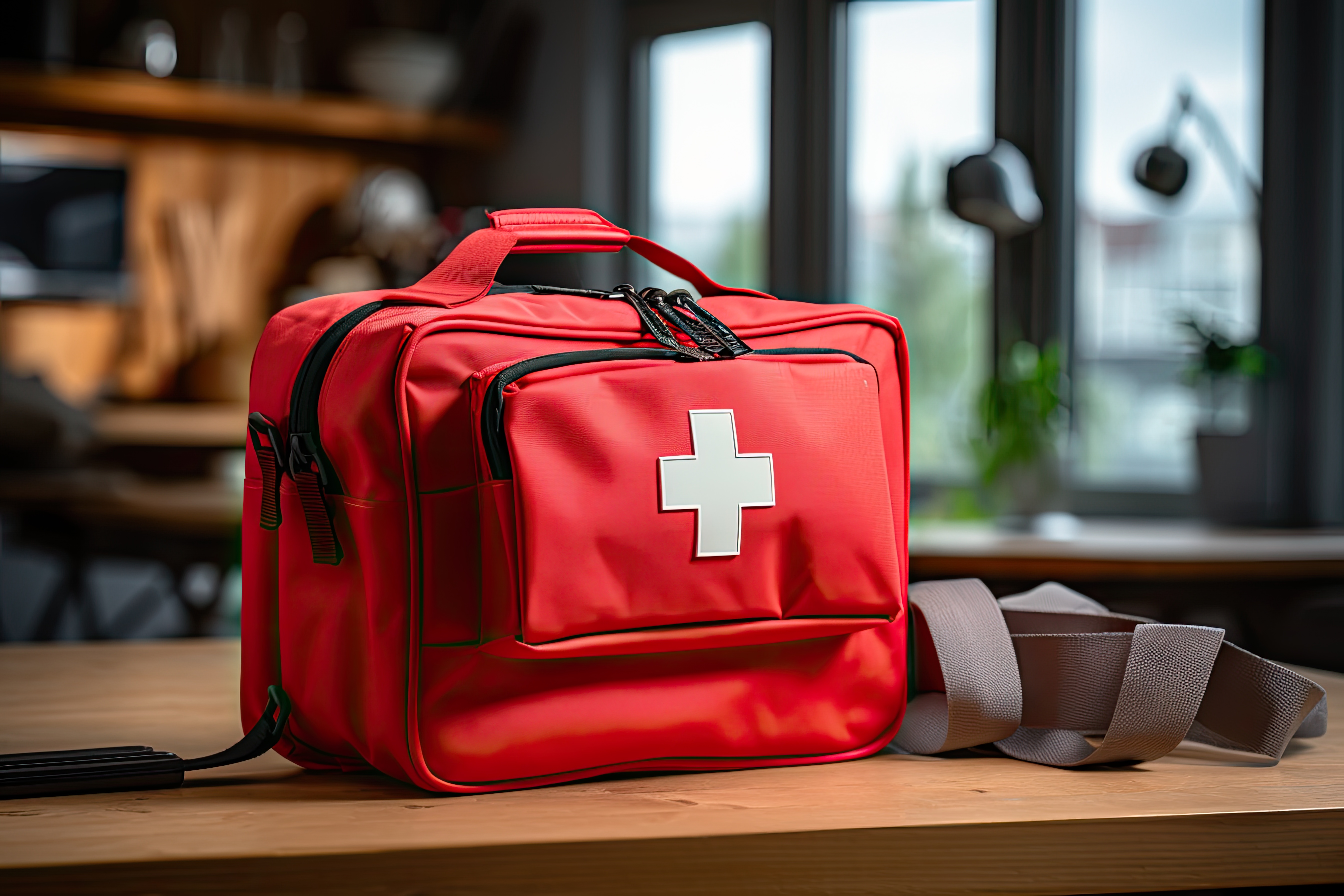
Red first aid bag on a wooden table
First Aid Stock photos by Vecteezy
Continue reading

Securing Water Independence

You don’t have to be stranded in the middle of nowhere to worry about a reliable water source. The fact is, even if you get your water from a municipal water supply, you may one day find yourself without safe water to drink.

Much of our water infrastructure in the United States was establishes back in the 1970-80s, and while that makes me feel really old, it’s worse for the water supply. In fact, there are some cast iron pipes that are over a century old. Philadelphia still uses water main pipes installed before the Civil War, and many treatment plants are also aging and in need of repair or replacement. A rapidly aging infrastructure means often water mains break or leak, causing contamination of our “safe” water supply.

Make no mistake, establishing a safe, reliable source of water is critical.

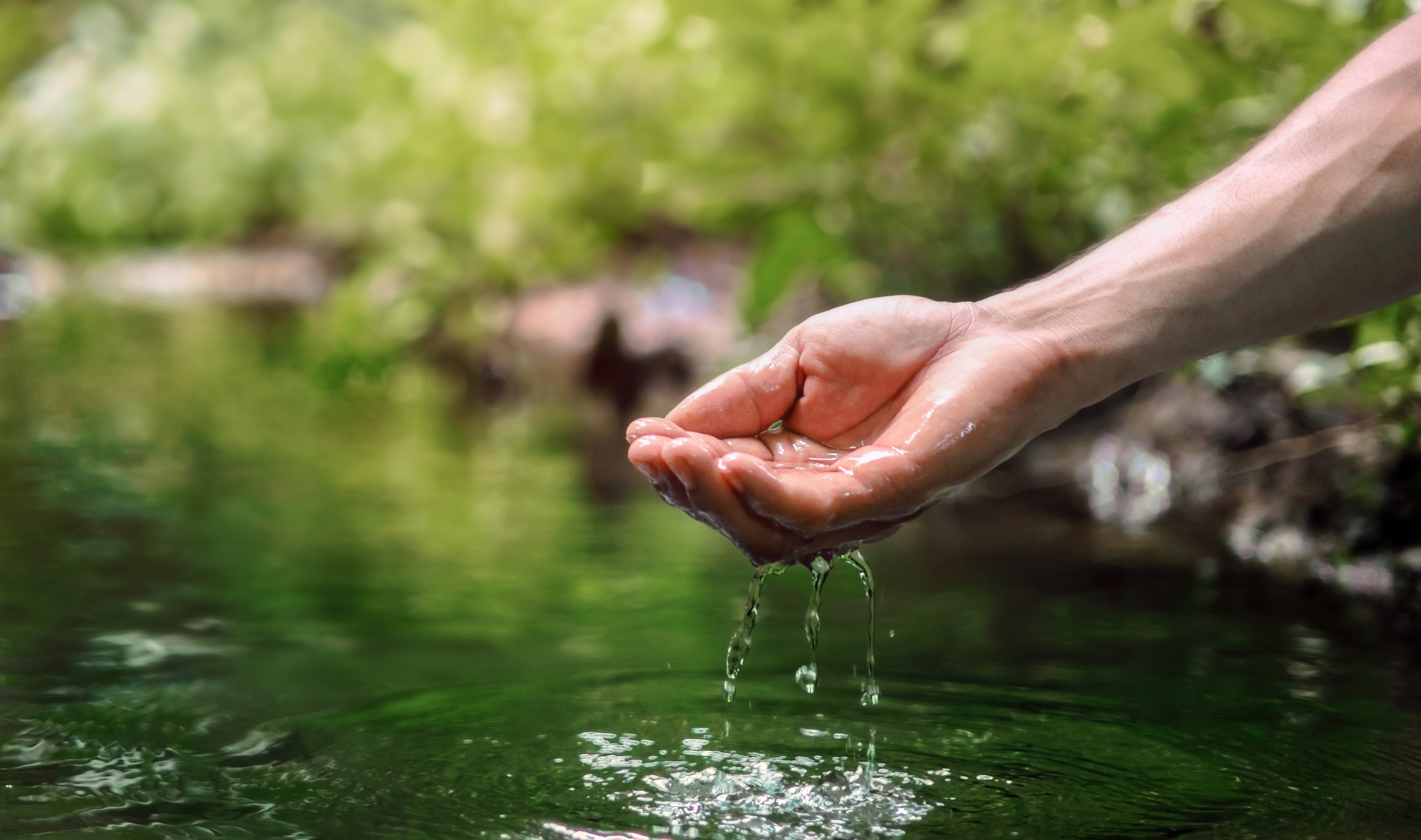
Hand holding clear water from a stream.
Water Stock photos by Vecteezy
Continue reading

Building a Resilient Financial Plan

This week we’re talking about steps for real preparedness and I don’t need to tell you that economic instability is a growing concern in today’s world. A resilient financial plan ensures that you remain secure, even during financial crises. This guide provides step-by-step strategies to safeguard your wealth, create alternative income sources, and minimize dependency on traditional financial systems.

Young woman saving money, planning for home expenses, saving for financial crisis
Financial Plan Stock photos by Vecteezy
Continue reading

Responding vs. Reacting To Disaster Events and Helping Others

I’m going on a little rant today. Do you understand the difference between responding and reacting to disaster events? In some of the prepper groups I’m in on Facebook, I’ve noticed that people are making fun of people who ran out to prep for the “non-event” port strike. This is a good time to discuss the difference between responding and reacting.

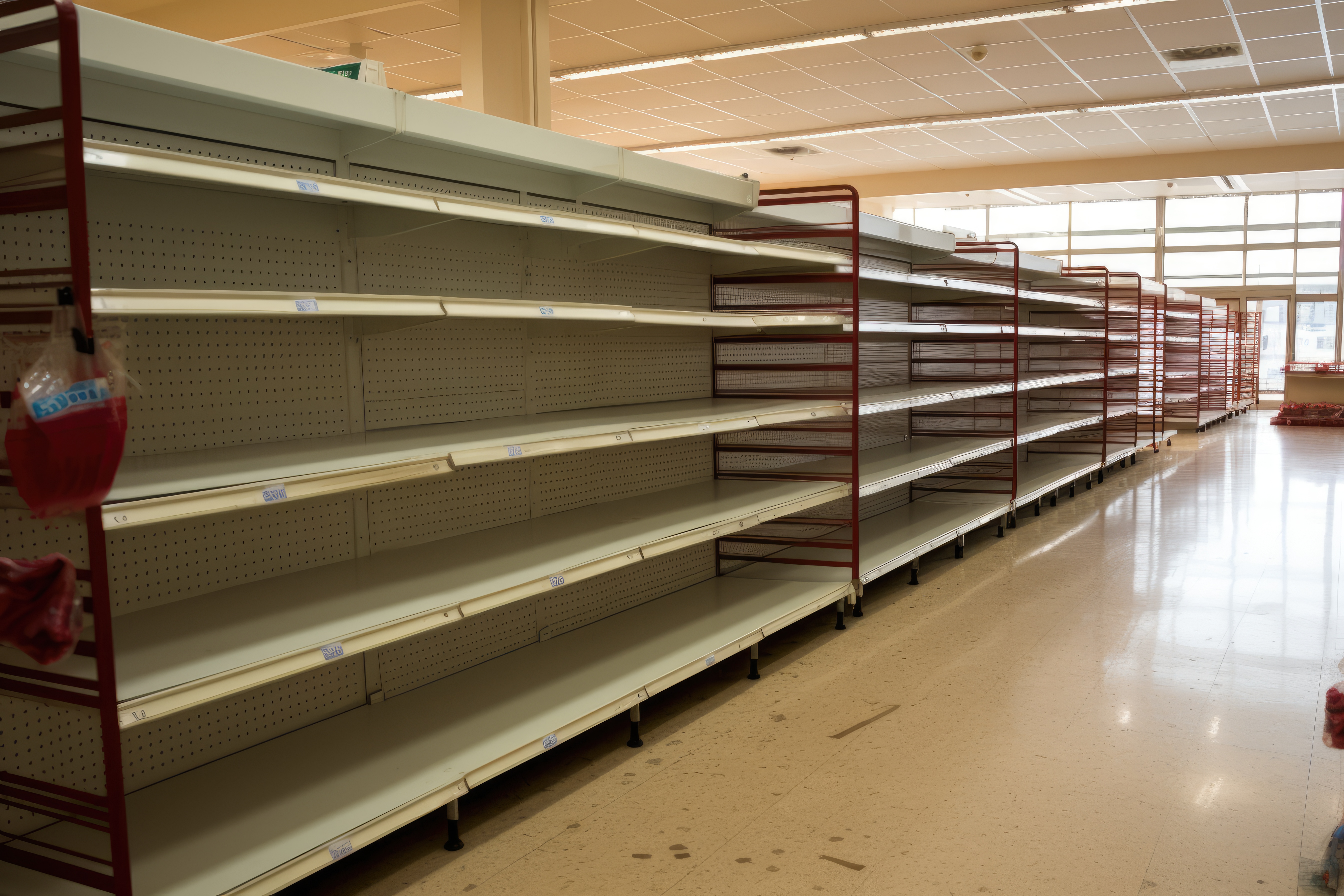
Empty grocery shelves
Panic Buying Stock photos by Vecteezy
Continue reading

Comprehensive Fall and Winter Preparedness Guide

As the crisp air of fall begins to set in, it’s a reminder that the colder months are approaching. Preparing for fall and winter isn’t just about staying warm—it’s about ensuring that you, your family, and your property are ready to face the unique challenges these seasons bring. From severe winter storms to the risk of power outages and even the potential for isolation during heavy snowfalls, proactive preparedness is essential.

Woman checks the presence of antifreeze in the car. Preparing the car for winter.
Woman checks the presence of antifreeze in the car. Preparing the car for winter.Antifreeze Stock photos by Vecteezy
Continue reading

Your Family Disaster Plan Step 2: Addressing Specific Needs in Your Household

Following the creation of your initial family disaster plan, it’s time to look at the next step: considering your household’s specific needs. This step is about tailoring your preparedness efforts to ensure that every family member, from the youngest to the oldest, including your pets, is adequately protected and cared for during a disaster. Addressing these needs is not just about ticking boxes—it’s about creating a realistic and effective plan that truly works when it matters most.

Little girl sitting on bed with golden retriever.
Family needs change over time, so make sure you examine your specific needs regularly. Mockup Stock photos by Vecteezy
Continue reading

Baby Steps to Self-Sufficiency: Week 7 – Stocking Up and Preparing for Communication in an Emergency

As we move into Week 7 of our Baby Steps to Self-Sufficiency series, we’re continuing to build on the foundational skills and supplies that will help you and your family become more resilient and prepared for whatever comes your way. This week, we’re focusing on both essential food and water supplies as well as a crucial aspect of emergency preparedness: communication.

German amateur radio contest station
Image: Wikimedia Commons
Continue reading