In a world where supply chains are fragile, and food insecurity is a growing concern, the ability to produce your own food and medicine is more than just a skill—it’s a necessity. As global uncertainties continue to rise, many people are turning to self-sufficiency to secure their basic needs and reduce reliance on external systems that can easily falter.
We’ve been living in an increasingly industrially reliant culture, and we’ve relied on fast food, disposable goods, and cheap gasoline. It’s been our normal for a very long time. But normal isn’t what it used to be. Enter Covid, and now we are seeing the consequences of this consumerist lifestyle. Food insecurity, shortages, and shipping bottlenecks show us how dependent we are on “the system.” Do you feel secure?
Understanding Food Insecurity
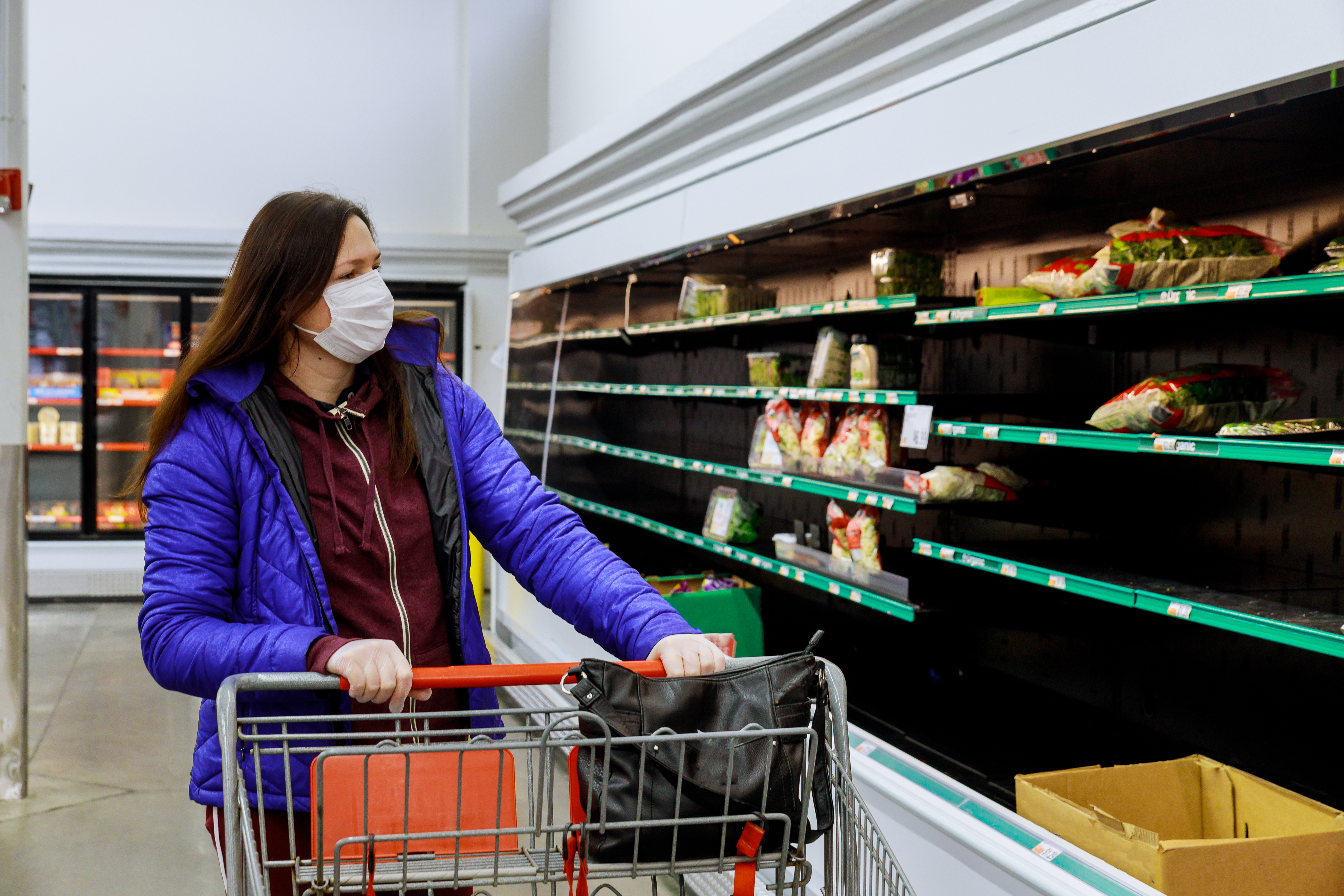
Not surprisingly, people are worried about their security in various forms, particularly in the case of food. Seeing empty grocery store shelves can be a bit scary, and understandably so. How long could you survive with just the food you have in your home?
If you’ve been storing food long-term and building your prepper pantry, you may be okay for a while. But now is the time to start planning a sustainable garden to keep you and your family fed, regardless of supply chain issues.
But food insecurity isn’t just about having enough food; it’s about having access to nutritious, safe, and affordable food. In an unstable world, this access can be threatened by a myriad of factors—natural disasters, economic downturns, or even geopolitical tensions. When supply chains are disrupted, grocery store shelves empty quickly, and even those with financial means may find themselves unable to purchase essential goods.
Growing Your Own Food
One of the most effective ways to combat food insecurity is by growing your own food. Whether you have a sprawling homestead or a small urban garden, producing your own fruits, vegetables, and herbs can significantly reduce your dependence on external food sources.
Learn Preservation Techniques: Growing your own food is just the first step; preserving it is equally important. Canning, dehydrating, and fermenting are essential skills that allow you to store food for the long term. This ensures that you have a steady supply of nutrients even when fresh produce is out of season.
Start Small and Expand: Start with a small garden, focusing on easy-to-grow crops that provide a high yield. Vegetables like tomatoes, peppers, and leafy greens are great for beginners. As you become more comfortable, expand your garden to include a wider variety of produce.
Utilize Perennial Plants: Perennial plants, such as asparagus, berries, and certain herbs, come back year after year, providing a reliable source of food without the need to replant annually. These plants are an excellent investment in your long-term food security.
Incorporate Livestock: If you have the space, consider raising chickens, rabbits, or other small livestock. These animals not only provide a source of protein but also produce valuable byproducts, such as eggs, milk, and manure for composting.
Making Your Own Medicine
Access to medicine is a critical aspect of self-sufficiency, along with food. Traditional medicine relies heavily on pharmaceuticals, which may not be available in a crisis. Learning to make your own herbal remedies can be a lifesaver.
- Herbal Medicine Basics: Start by learning about common medicinal plants that grow in your region. Herbs like echinacea, chamomile, and elderberry have been used for centuries to treat various ailments. Grow these herbs in your garden, and learn how to prepare them as teas, tinctures, or salves.
- Build a Home Apothecary: A home apothecary is a collection of herbs, essential oils, and other natural remedies that you can turn to in times of need. Stock it with basics like calendula for skin healing, peppermint for digestive issues, and lavender for relaxation.
- Learn First Aid: Basic first aid knowledge is crucial in any self-sufficiency plan. Equip yourself with the skills to treat minor injuries and illnesses using natural remedies. This can include making poultices for wounds, using honey as an antimicrobial, or applying arnica to reduce bruising.
- Cultivate Mushrooms: Certain mushrooms, such as reishi and lion’s mane, are known for their medicinal properties. These fungi can be grown at home and used to boost the immune system, improve cognitive function, and reduce inflammation.
Bartering and Community Support
Even the most self-sufficient homesteader can benefit from a strong community. Bartering is an age-old practice that allows you to trade goods and services without relying on cash. In a world where money might lose its value or become inaccessible, bartering provides a way to obtain what you need.
- Exchange Skills and Goods: If you have an abundance of eggs but need fresh vegetables, find a neighbor who is willing to trade. The same goes for medicinal herbs, homemade preserves, or even labor. Building a network of like-minded individuals can strengthen your community’s overall resilience.
- Share Knowledge: Skills like gardening, food preservation, and herbal medicine are invaluable in times of crisis. Sharing this knowledge with others not only helps them become more self-sufficient but also ensures that these skills are preserved for future generations.
- Community Gardens: For those living in urban areas or with limited space, community gardens provide an opportunity to grow your own food while also fostering connections with others. These gardens can be a vital resource in times of food scarcity.
Embracing a Mindset of Preparedness
Ultimately, the key to overcoming food insecurity is adopting a mindset of preparedness. This means thinking ahead, planning for potential disruptions, and taking proactive steps to secure your food and medicinal needs.
- Emergency Supplies: In addition to growing and preserving food, keep a stockpile of essential non-perishable items, such as grains, legumes, and cooking oils. These can serve as a buffer in times of crisis.
- Diversify Your Skills: The more skills you have, the less reliant you are on outside systems. Learn to bake bread, make cheese, or brew herbal teas. Each new skill adds another layer of security to your self-sufficient lifestyle.
- Stay Informed: Keep abreast of current events that could impact food availability, such as weather patterns, political unrest, or economic shifts. Being informed allows you to anticipate shortages and take action before they occur.
In an increasingly unstable world, the best way to ensure your family’s security is by taking control of your food and medicine production. By growing your own food, making your own medicine, and fostering community support, you can build a resilient and self-sufficient lifestyle that will sustain you through any crisis. Remember, the journey to self-sufficiency is not about achieving perfection overnight; it’s about taking consistent, small steps toward independence and preparedness.
What Would You Like to See?
With the changes I’m making to this blog, I’m also hoping to create some videos and start a YouTube channel. But I’d also like to know what YOU want to know about self-sufficiency. Tell me what you want to see! What are your questions? I will do my best to answer them.
 The Practical Homestead