As a homesteader, it’s wise to build up varied and sustainable food sources for use year after year. While stockpiling food has its advantages, always having a renewable food source makes you more prepared for long-term emergencies.
Homesteading is an increasingly popular survival prep method, where people purchase large (and not so large) properties to live a more self-sufficient lifestyle. It’s not unusual for some people to go so far as to completely escape the grid, becoming self-sufficient. This has always been my goal, but it’s not for everyone and certainly not easy to achieve. But you can build a sustainable food source now, even if you haven’t created your ideal homestead.

Stockpiled food, such as canned goods, can expire and go bad over time, so after several years of relying on it, you will run out of options. For this reason, having sustainable food sources prepared in advance is crucial. There are plenty of options to consider to ensure homesteaders have sustainable food for decades to come. These options include raising animals, growing your own food, or hunting and fishing.
Chickens Offer a Sustainable Source of Protein
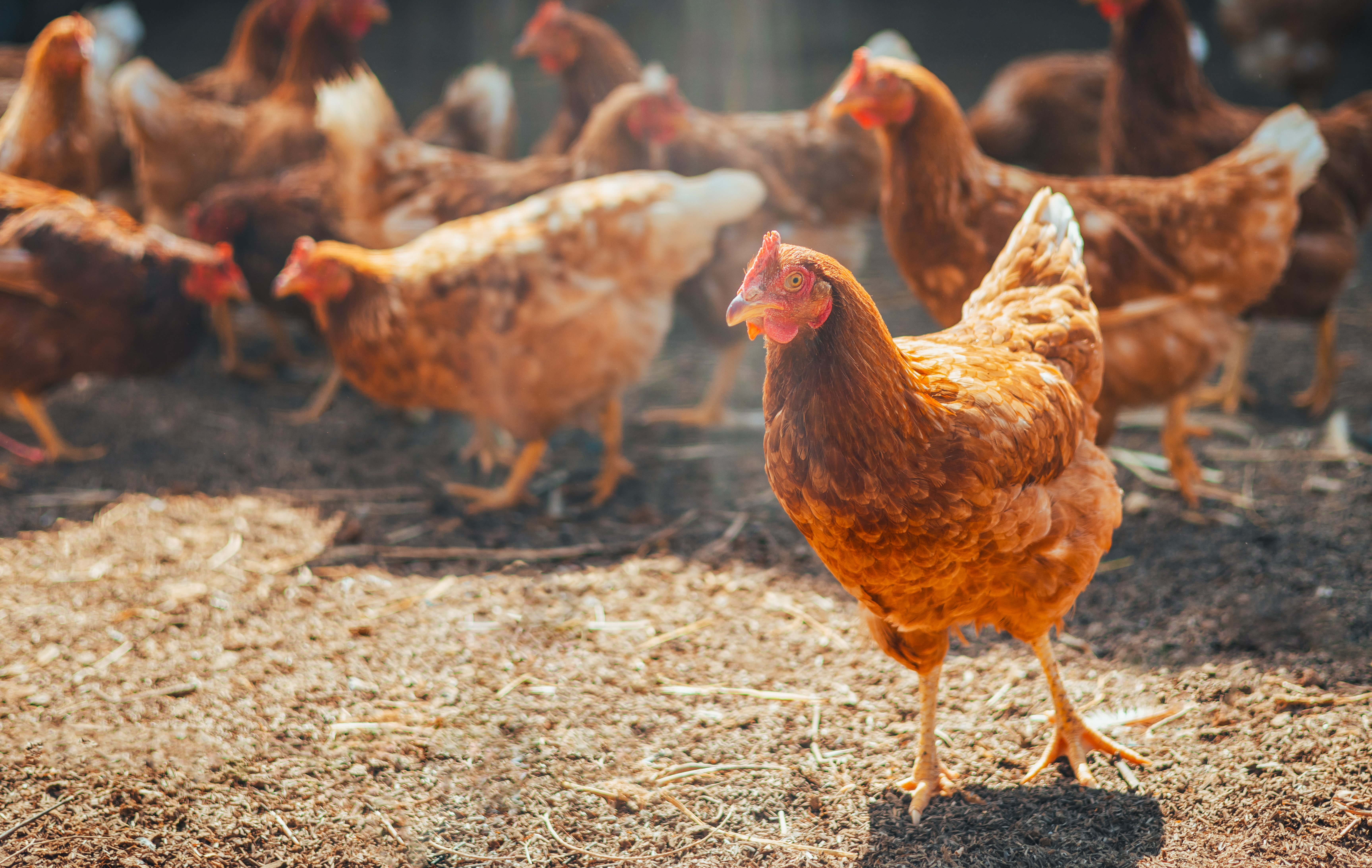
Chickens are among the easiest animals for beginner homesteaders to raise. Some people call them the “gateway drug” for homesteaders. You can purchase already assembled coops, or if you have a bit of know-how, you can build your own.
However, you should be sure to choose an appropriate coop size for your flock. The general rule is four square feet per chicken if they are free-range and ten square feet per chicken if they are kept enclosed. Exceeding this limit may stress your birds.
You can get fresh eggs from chickens every morning for breakfast or to bake with. Collecting eggs every day is a fun part of the daily routine, and fresh eggs from your own coop are healthier than store-bought eggs.
Eggs are an excellent source of protein, and chickens lay eggs almost daily, so you’ll never run out. Additionally, they can be prepared in many different ways, providing you with a lot of variety if you need it in a survival situation. You can also eat the chickens themselves, of course. Protein-rich chicken is a great source of nutrition. However, you should know how to butcher a chicken beforehand.
To be even more sustainable, get a rooster. Roosters protect their hens, but they also fertilize the eggs so you can hatch chicks for more meat or to replace old layers. Chickens generally live five to ten years, and their top egg production is usually within the first two years. By hatching new chickens, you can truly have a sustainable food source. Contrary to popular belief, fertilized eggs are edible and taste no different than unfertile eggs.
Grow Your Own Fruit
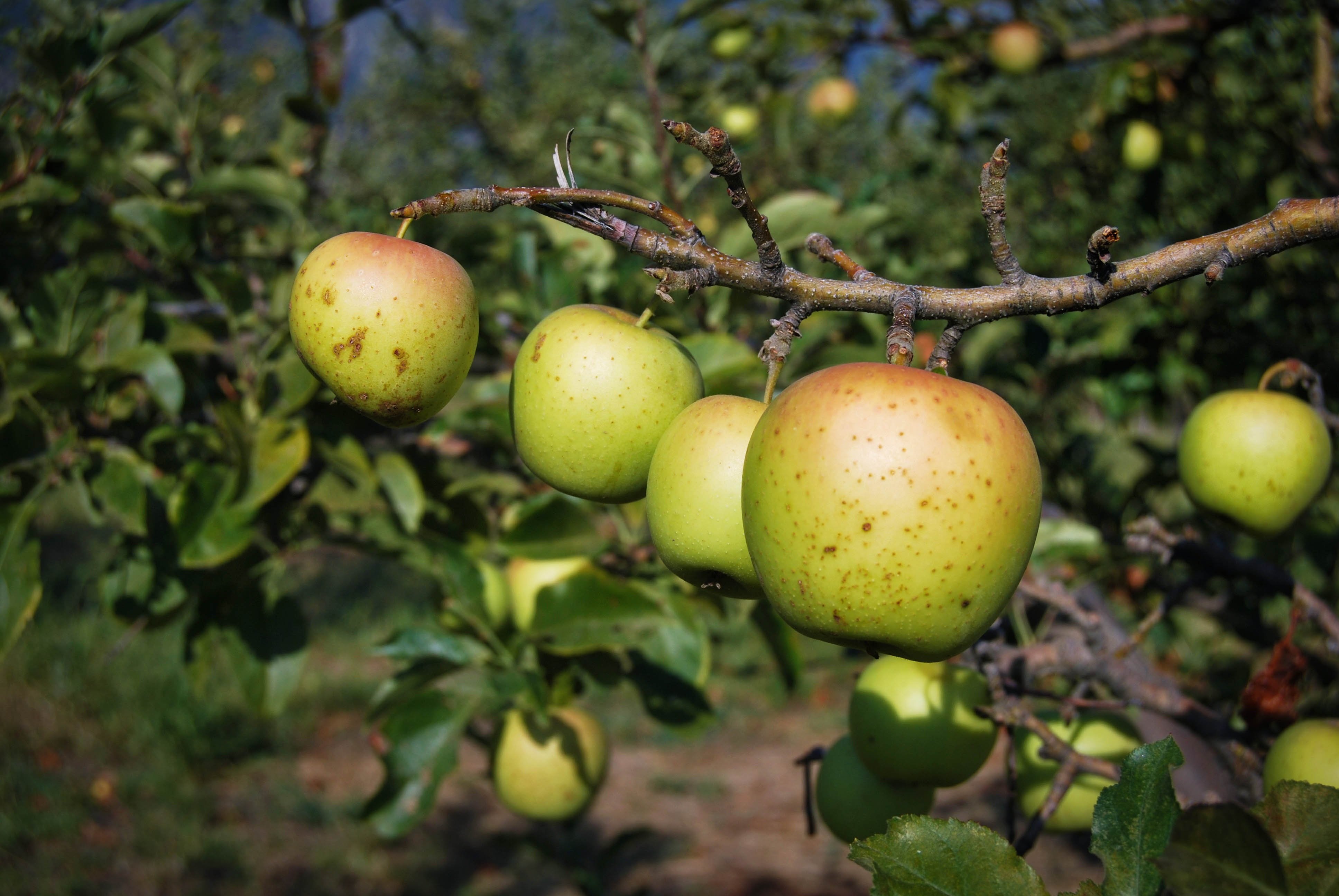
If you intend on spending many years on your property, it is worth investing in a few healthy fruit tree saplings to plant. While they can take years to grow, they’ll produce plenty of food in three to seven years, depending on the type of fruit and size of tree you plant. Fruit trees produce a lot of food each season, which you can preserve by making jellies and jams, pie fillings, and even juice. The fruit can even be frozen, so you can enjoy fresh fruit during the winter months.
Fruit provides many essential nutrients as well as carbs and calories. Carbohydrates are essential for your body to produce energy; fruit contains fructose, which is a good source of carbs. Fruits such as oranges or berries contain vitamin C, which helps your immune system function properly. Most shelf-stable foods lack micronutrients like these.
There are three things you should consider before choosing fruit trees. The first step is to determine which types of fruit grow well in the region of your homestead. Some fruits prefer certain climates, and some fruits are easier to grow than others.
Next, identify which of the fruits that grow in your area are the most nutritious. Fruits provide varying nutritional benefits, and you will want to find a spread that covers all the bases.
Last but not least, grow what you enjoy eating. You shouldn’t grow peaches if you don’t like their taste. You might still eat them if you were in a true survival situation, but eating a fruit you like can provide some mental comfort.
Regardless of your climate, you will find a fruit that suits your needs. You can grow berry bushes even in cold climates, and cactus fruit still provides plenty of nutrients in desert climates. If you want your fruit trees to thrive, ensure they are planted and cared for correctly.
When properly cared for, these trees can last a lifetime and even feed your grandchildren. Invest time in researching how to plant the trees you wish to grow. To grow a successful orchard, you’d need to know how far apart the saplings should be and how much water they need.
Easy Growing Root Vegetables

Root vegetables are among the easiest vegetables to grow in your survival garden. They often have very few requirements and can grow easily in most temperate climates. There is a great deal of variety in these vegetables, all of which can improve the quality of your homesteading life.
First, there are root vegetables that you wouldn’t necessarily eat on their own, but are great for spicing up dishes. Garlic and onions are probably the first two that come to mind. These are both easy to grow and add flavor to an endless variety of meals. Garlic also provides numerous health benefits, such as boosting immunity and lowering blood pressure, which might be useful in a survival situation when you are under stress.
A similar root vegetable is ginger. Mostly used for flavor, it has some additional benefits as well. Different cultures have used it for thousands of years to treat nausea and sickness. Turnips and rutabagas are also easy to grow, loaded with nutrients, and very versatile to eat.
Root vegetables can often be a complete meal on their own. Carrots are especially healthy, and you can eat them raw, steamed, baked, or in soups and stews. And let’s not forget carrot cake! Be patient with carrots as they grow slowly.
Potatoes are one of the most versatile root vegetables. You can make an unlimited number of dishes with potatoes, making them extremely versatile vegetables. You can easily bake them and eat them alone, or you can fry them quickly in many ways. They can also be mashed or added to a stew, like with carrots. Potato soup is always popular at my house and is another tasty way to enjoy potatoes.
Although all vegetables have their benefits, root vegetables are some of the best you can grow when you are just starting out. It’s easier to grow them because they have fewer requirements, which increases your chances of success.
Root vegetables are often very filling, which makes them ideal for survival. Therefore, even though you’re eating fewer calories and conserving rations, your meal will still feel satisfying and full. In contrast, you’ll eat more food if you eat a high-calorie meal that is less filling.
The fiber in root vegetables makes you feel satiated, which prevents you from eating too much. Because you won’t be eating as much, they’ll last longer, increasing your survival chances.
In survival situations, flavorful root vegetables provide much-needed comfort, so you should ensure they are part of your sustainable food plan.
Foraging for Food

Foraging is an excellent way to supplement your sustainable food plan. Find some books about the plants native to your area and learn what you can do with them. You will likely be surprised at how much food grows right in your backyard!
Common “weeds” like dandelions, purslane, wood sorrel, nettles, garlic mustard, and violets grow wild all over and can add a great deal of flavor and nutrition to your diet. You may also find an abundance of wild berries. Here, I have mulberries, wild black raspberries, gooseberries, and elderberries. And this doesn’t even touch the subject of medicinal plants that grow wild.
Many people also enjoy foraging for wild mushrooms. While it’s pretty easy to recognize puffballs and morels, others may have toxic look-alikes. If you decide to forage for mushrooms, it’s wise to find someone knowledgeable to go with you and teach you how to recognize the safe ones.
Harvesting Wildlife
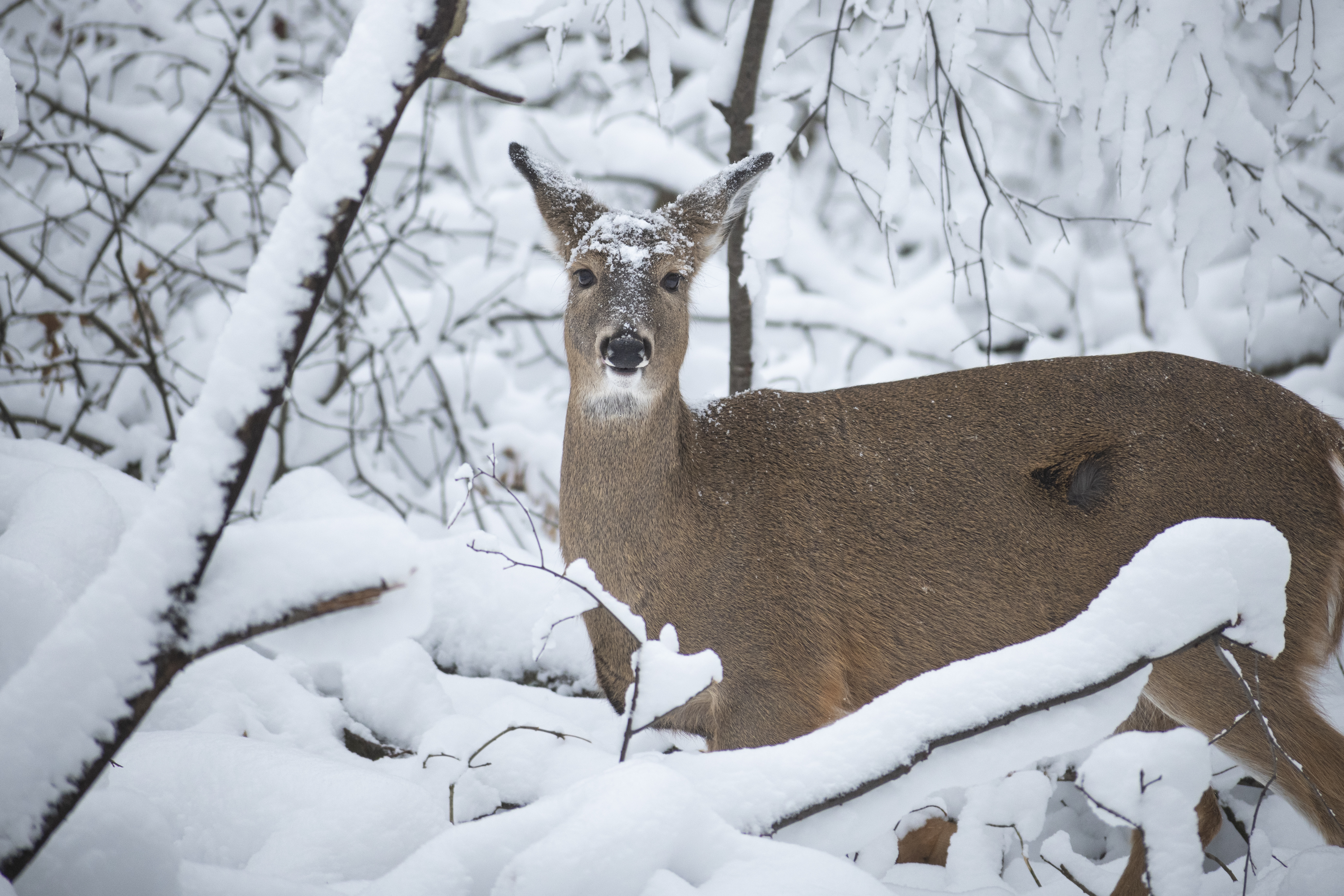
If you have a large, natural property, you are likely to have a variety of wildlife around your homestead. With the right hunting skills, you can provide yourself with tons of food while protecting your property’s ecosystem.
Deer and wild hogs are the two largest game animals, as well as elk, moose, and caribou, depending on where you live. Each will yield over 50 pounds of meat, which can be frozen, canned, or dehydrated and stored for a long time.
When learning how to hunt properly, you must consider several factors. You should be able to identify which animals to hunt based on gender and age, have the right setup and equipment, and know how to make a clean kill.
Consider going on a hunting trip with someone more experienced if you aren’t sure what to do. Their insight, especially when it comes to tiny details, can be quite useful when it comes to figuring out what exactly to look for.
If you’re hunting on your own property, you must decide what you’ll use and where you’ll hunt. Most hunters use a rifle and hunting blind, and kill as humanely as possible. You should also check to see when bow season is in your areas, as that will extend your hunting season.
Deer hunting has certain rules and guidelines, including which deer to hunt and which to leave alone. As an example, you wouldn’t generally choose a doe because she has the potential to produce more deer.
Instead, most hunters will target the bucks, particularly those over a certain age. While these typical guidelines may be less important in a survival situation, it’s best to follow them in general to improve the local ecosystem. Hogs, however, are rarely restricted, as most landowners and hunters consider them vermin. Although they yield a lot of meat, they can also be dangerous.
To get the maximum use of the meat you hunt, you should have the appropriate items set up before your first hunt. Besides a deep freezer with a large capacity, you’ll also need all the items required to dress a buck or hog.
You can hunt more than deer and hogs. Depending on where you live, you can cook a variety of wild animals, though some may not be as desirable. Most people have rabbits, hares, or squirrels on their property, but they’re more difficult to hunt, and some people don’t like the meat. You may also find turkey, quail, and other birds in some regions, which require different hunting techniques.
In my personal opinion, rabbits are delicious. While squirrels are tasty, you need quite a few to make a meal. They are delicious in soups and stews where the focus of the meal isn’t on the meat. If you enjoy harvesting local wildlife to supplement your diet, be sure to check into the fishing regulations in your location, too. Even if you don’t have a boat, you can often fish from the shore or dock.
Herd Animals for Larger Homesteads
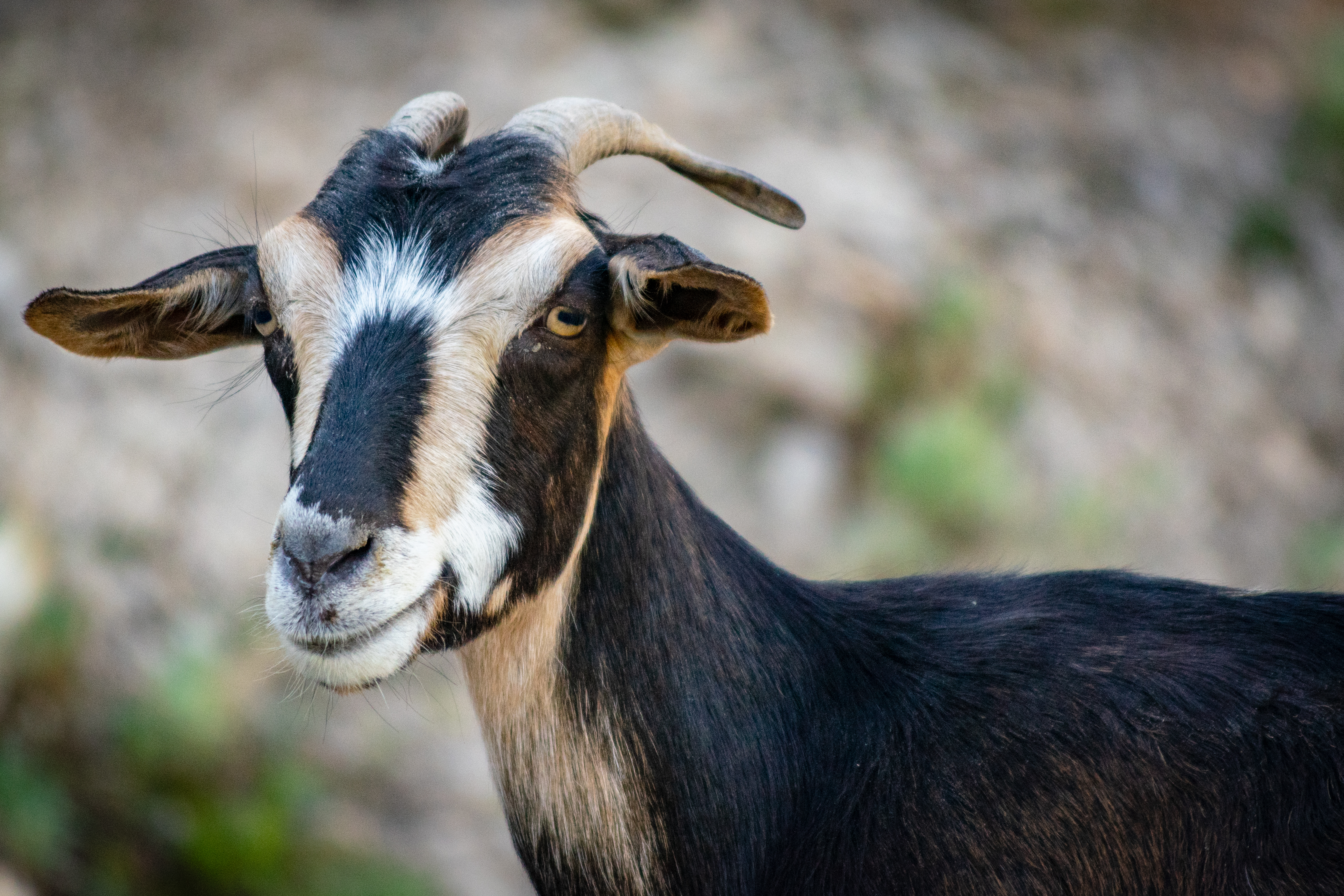
For homesteaders, herd animals can be the most challenging yet most rewarding sustainable food source. Most commonly, this includes sheep, cows, pigs, and goats, though some get exotic animals like llamas.
You’ll need a lot of land to care for a large number of animals. Grazing is their primary food source, so they need a lot of grassland. But those who have access to enough land and can provide them with the care they need can benefit in numerous ways, including a stable food supply.
Naturally, smaller animals like goats and pigs are easier to care for than cows, but cows give you the most meat. Sheep give you a decent amount of meat while also providing wool. Both goats and cows provide you with the added benefit of milk, which is a fantastic source of calcium. Those with the skills for it can turn this milk into butter, cheese, and yogurt. These products usually can’t be stockpiled since they’re not shelf stable – but they but milk, butter, and cheese can be frozen.
These animals can yield a tremendous amount of meat that, when kept in a deep freezer or canned, lasts for months or even a year. Smaller animals provide nearly 50 pounds, while cows provide over 300 pounds.
It is possible to keep a couple of cows on a smaller plot of land, but you’ll need to feed them instead of letting them graze. You can buy feed for herd animals in bulk fairly easily. However, it is a significant responsibility that must be taken seriously, and you have to consider that you may not always have access to store-bought feed in a SHTF event.
You should also consider how you’ll protect your animals from various threats. Depending on where you live, there will be different dangers, but generally, wild animals, weather, and diseases will be the main ones.
Depending on where you live, dangerous weather can include blizzards or tornadoes. In general, you want to ensure that your animals have easy access to solid shelter during storms. A predator-proof, draft-free shelter will keep your animals safe in almost any situation. If you need additional protection, consider getting a herd dog or a donkey. The two are known to be quite aggressive with dangerous animals like coyotes and have no trouble fighting them off.
You’ll also need a veterinarian specializing in farm animals who can come out and help when they get sick or injured. It’s also wise to learn how to treat common issues yourself, not only because it will save you money but also because you may not be able to call a vet in a survival situation.
Plan Your Sustainable Food Source
It can take a lot of planning to create a sustainable food source for your homestead. Fortunately, you don’t have to do everything at once. And some things you may not do at all. Planning takes time, but it will be time well spent when you’re in a survival situation and realize you don’t have to stress over keeping your family fed.
 The Practical Homestead