The International Longshoremen’s Association (ILA) has recently gone on strike at 14 major ports along the East and Gulf coasts. This strike could lead to significant disruptions in the flow of goods, impacting consumers in various ways, including product shortages, delays, and rising prices. For those focused on self-sufficiency and preparedness, it’s important to understand what’s at stake and how to navigate the potential challenges.
The Role of the Ports and the ILA
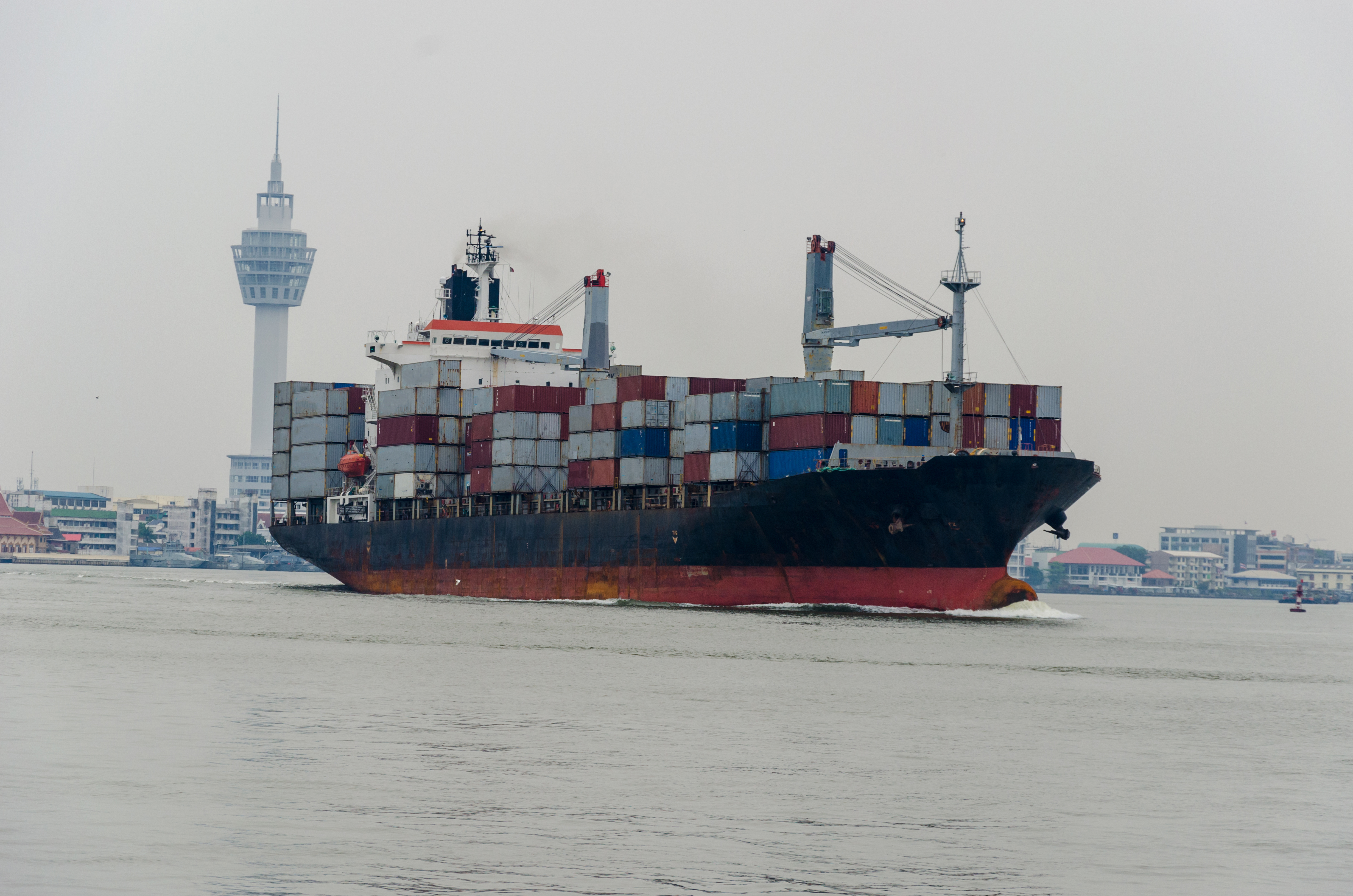
The ILA represents dockworkers at some of the busiest shipping hubs in the U.S. These ports handle a substantial volume of imported goods—ranging from food and raw materials to consumer electronics and household necessities.
The disruption caused by a strike can quickly ripple through the supply chain, especially for industries reliant on just-in-time delivery models. Products transported through these ports may become harder to find or delayed, creating bottlenecks and shortages in retail stores that could ultimately impact consumer prices.
What Products Could Be Affected?
Several key categories of products are likely to be impacted by the strike, including:
- Electronics and Appliances: Many consumer electronics, from smartphones to kitchen appliances, are imported through East and Gulf Coast ports. Delays or stoppages at these ports could lead to slower restocking of popular devices.
- Auto Parts and Vehicles: The automotive industry, which heavily relies on imports, could see disruptions in both the availability of new vehicles and spare parts for repairs. This could affect consumers who need maintenance on their cars or are in the market for a new vehicle.
- Furniture: Large-scale furniture imports, particularly from regions like Asia, often enter the U.S. through the east coast ports. If you’re planning on renovating or upgrading your home, expect delays in deliveries of larger items such as sofas, dining tables, or even modular office furniture.
- Clothing and Apparel: The textile and fashion industries depend highly on overseas manufacturers, and a strike can halt the flow of seasonal and off-season clothing. This may mean fewer options in stores and online, particularly for fast-fashion retailers.
- Food Products: While much of the food consumed in the U.S. is produced domestically, several imported goods, like coffee, bananas, seafood, and processed food items, could experience shortages. Specialty food products, often imported through these ports, could also disappear from shelves.
- Construction Materials: Lumber, steel, and other building materials could be delayed, impacting home improvement projects or construction jobs. This could be especially concerning for homesteaders who are planning new buildings on their properties, such as new barns or chicken coops. It could also impact the cost of repair projects.
Price Increases on Consumer Goods
Prices tend to rise whenever there are shortages or disruptions in the supply chain. There are several ways in which this strike could directly affect prices for consumers:
- Scarcity of Goods: With fewer products making it to store shelves, the basic law of supply and demand comes into play. Retailers may raise prices to capitalize on limited stock or to cover their own increased shipping costs due to rerouted freight.
- Increased Shipping Costs: With ports closed or operating at reduced capacity, shipping costs can rise as companies turn to alternative, and often more expensive, routes to move their goods. These higher costs are typically passed down to consumers in the form of higher prices.
- Panic Buying: Fear of scarcity can lead to panic buying, which only exacerbates shortages. If consumers start hoarding essentials or key products, retailers may respond by hiking prices even further to manage demand.
This can be particularly frustrating for homesteaders and those working toward self-sufficiency. As a community, you may already prioritize avoiding dependency on outside resources, but certain items—especially tools, electronics, and specialty foods—can still be necessary for maintaining a homestead.
Other Effects
The International Longshoremen’s Association strike could also significantly affect employment in the surrounding communities of the affected ports. Many local businesses, such as trucking companies, warehouses, and retailers, rely on the steady flow of goods through these ports to sustain operations. When cargo is delayed or halted, these businesses may see reduced demand for services, leading to layoffs or reduced hours for workers.
For example, truck drivers who transport goods from ports may find themselves with less work during the strike, while warehouse employees may experience downtime as inventory dwindles. Retailers near port cities, especially those dealing in imported goods, could also be affected as stock shortages reduce sales and prompt temporary closures or scaled-back staffing.
The strike could impact industries indirectly connected to port activity, like hospitality and food services. Dockworkers, truck drivers, and other port-related employees spend money in local restaurants, hotels, and stores, contributing to the economic vibrancy of these areas. A prolonged strike could lead to a drop in consumer spending, affecting the livelihoods of those dependent on the influx of workers and business generated by port activity. Small businesses that rely heavily on this customer base may find it difficult to survive the reduced traffic, potentially leading to further layoffs and closures, which could deepen the economic strain on communities that are already heavily reliant on port-related employment.
How You Can Prepare
Though the strike’s impact is likely temporary, its uncertainty can still leave consumers scrambling for some security. Here are several steps you can take to minimize its effect on your daily life and long-term plans:
1. Stock Up on Essential Goods
Make sure you have a healthy stockpile of critical items before shortages become an issue. For homesteaders, focus on what you might need in the next few months, including:
- Non-perishable food items like rice, beans, canned goods, and pasta.
- Household essentials such as toiletries, cleaning supplies, and medications.
- Tools or any other equipment you anticipate needing soon.
- Home repair materials like lumber, nails, or fencing if you have ongoing or planned construction projects.
It’s wise to stock up now before prices spike or goods become scarce. However, avoid panic buying. Purchase what you need without taking more than you will use to ensure everyone has access to supplies. Panic buying only makes things worse.
2. Focus on Local and Domestic Alternatives
If you rely on imported goods, now might be the time to shift your focus to local and domestically produced alternatives. For instance:
- Food: Consider buying from local farms or farmers’ markets. If you haven’t already, this might be a good time to expand your homestead garden or start preserving your harvests through canning, drying, or freezing.
- Tools and Equipment: Look for domestically made tools or equipment that might cost more upfront but will be easier to replace in the long run.
- Clothing and Apparel: Support small, domestic clothing brands or even learn basic sewing skills to repair or make your own clothes. This can also tie into homestead life, where sustainability and self-sufficiency go hand in hand.
3. Repair and Repurpose Instead of Replace
Rather than buying new products, consider repairing or repurposing the items you already own. This is particularly valuable for electronics, clothing, and furniture. Learning basic repair skills can save you money and ensure that you aren’t dependent on new imports during this strike.
For instance, as a homesteader, you can use your DIY skills to repair fences, mend clothes, or fix appliances that might need replacing. This not only saves money but also reduces your reliance on external goods.
4. Reevaluate Long-Term Projects
If your homestead plans involve major construction or the purchase of new equipment, consider delaying these projects until after the strike ends. With potential price hikes and supply chain disruptions, waiting could save you significant money and frustration.
In the meantime, focus on smaller projects that utilize the resources you already have. For example, if you plan to build a new barn but can’t access affordable lumber, work on creating more efficient systems for your existing buildings or enhancing your water catchment system.
5. Stay Informed
Knowledge is power in uncertain times. Stay updated on the strike’s progress and how it’s impacting supply chains by regularly checking news sources, following the ILA’s updates, and listening for reports on how the strike is being resolved.
For homesteaders, this kind of information can be crucial for making smart decisions about when to buy or hold off on purchasing certain products.
Community Resilience: Working Together
Another key element of preparing for the strike’s effects is building a sense of community. Homesteaders often rely on strong networks of friends, neighbors, and fellow homesteaders to share resources and support each other. In times of shortage, this becomes even more important.
- Barter and Trade: If you have extra supplies, consider bartering with neighbors who may have other items that you need. This helps reduce reliance on outside suppliers and fosters a sense of self-reliance.
- Skill Sharing: Offer to teach or learn new skills from fellow homesteaders. For example, someone may know how to sew or repair electronics, while you might be able to help them with gardening or animal care.
Building these kinds of relationships can help buffer the impact of the strike, ensuring that you have access to critical supplies and services, even if they aren’t available in stores.
Lessons in Self-Reliance
The International Longshoremen’s Association strike is yet another reminder of how fragile our global supply chains can be. Consumers, especially those striving for self-sufficiency, must prepare now to avoid the brunt of the disruptions that may follow.
By stocking up on essential goods, seeking local alternatives, repairing instead of replacing, and connecting with your community, you can minimize the strike’s impact on your life. The strike may be temporary, but the lessons in self-reliance and preparedness will last a lifetime.
 The Practical Homestead